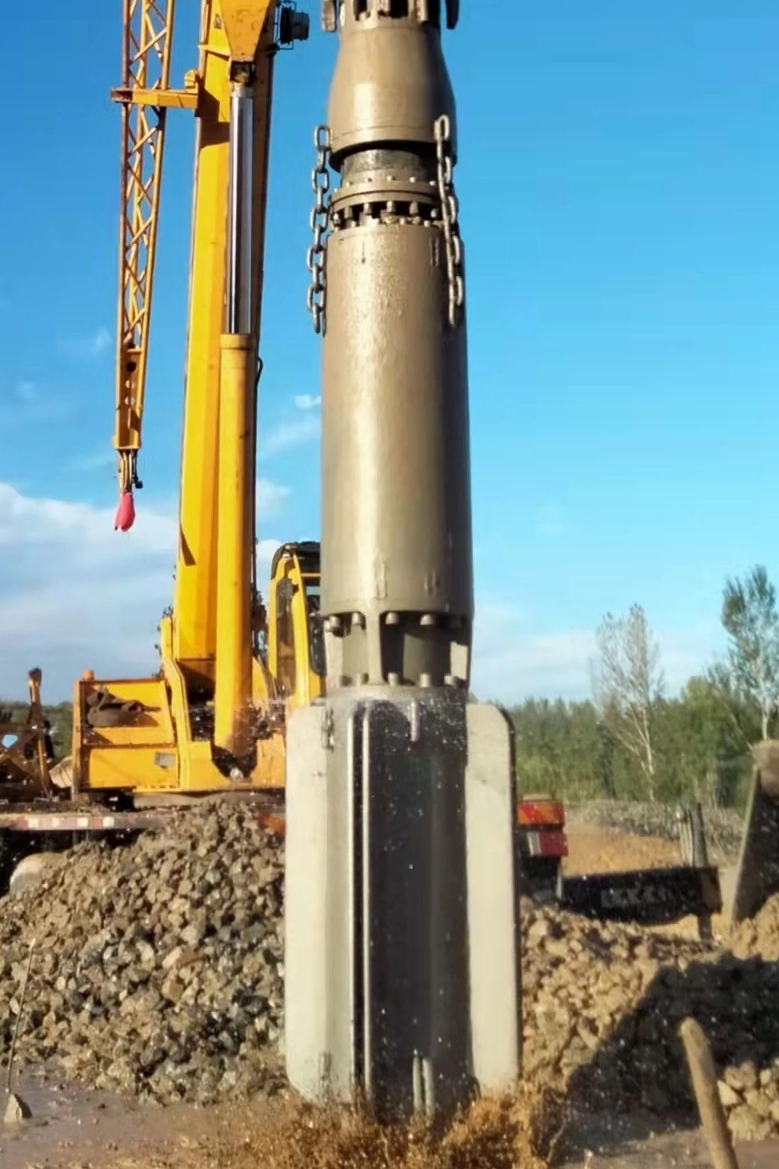
Unexpected equipment failure during deep compaction projects carries a massive financial penalty. When a rig goes down mid-compaction, the ensuing project delays and idle crew hours rapidly eclipse the initial cost of the machinery. Ground improvement operations subject equipment to extreme environments. High abrasion from granular soils, intense radial forces generated by the internal eccentric mass, and severe thermal stress are constants on every job site. Relying on a reactive, run-to-failure approach guarantees catastrophic breakdowns and drastically reduces equipment longevity.
To keep projects on schedule, contractors must shift to a proactive framework. Identifying the root causes of premature failure, optimizing daily maintenance protocols, and carefully evaluating replacement components are mandatory steps. Implementing these strategies will maximize vibroflot service life across both vibro compaction and vibro replacement applications, ensuring consistent densification and structural stability without unnecessary downtime.
Key Takeaways
Thermal and Friction Management are Critical: Inadequate vibroflot motor cooling and improper bearing lubrication account for the majority of catastrophic internal failures.
External Wear is Inevitable but Manageable: Abrasive soil conditions and top-fed backfill require strict vibration body maintenance and timely replacement of wear parts to protect the core assembly.
Operator Influence and Soil Mechanics: Pushing equipment beyond optimal amperage in dense soil strata, or struggling against oversized in-situ particles, accelerates structural fatigue and component degradation.
Supplier Reliability Dictates Uptime: Partnering with a vetted vibroflot parts supplier ensures access to high-tolerance components that match or exceed OEM specifications, reducing mean time between failures (MTBF).
The Operational Realities Impacting Vibroflot Service Life
Problem Framing: Defining Baseline Expectations
Establishing a baseline for operational hours before a major overhaul is necessary to distinguish between normal wear and premature failure. Under standard operating conditions with proper maintenance, a heavy-duty compaction unit should achieve 1,000 to 1,500 operational hours before requiring a complete internal rebuild. However, this baseline shifts dramatically based on site-specific geology and operator technique. When components fail at 300 hours, the root cause rarely lies in a single defective part. Instead, it points to a mismatch between the equipment's operational limits and the physical realities of the ground improvement project. Recognizing the difference between expected mechanical fatigue and accelerated destruction is the first step in extending operational uptime.
In-Situ Particle Size and Penetration Resistance
Varying in-situ materials dictate the rate of mechanical wear. The physical composition of the soil directly impacts how hard the equipment must work to reach the target depth. Granular soils with high Standard Penetration Test (SPT) N-values strongly resist the radial displacement generated by the probe. If the in-situ material particle size is too great, or if the soil contains dense cobble layers, penetration is severely hindered.
This resistance exponentially increases the amount of time the unit spends under high load. Prolonged high-load operation maximizes thermal stress on the internal motor and amplifies the radial forces acting on the bearing assemblies. When the nose cone hits refusal on oversized particles, the rig operator often has to surge the probe up and down. This surging spikes the electrical amperage and sends shockwaves through the extension tubes. The longer the probe struggles to penetrate dense strata, the faster the internal components degrade.
Soil Composition and Associated Equipment Stress
Soil Profile
Penetration Resistance
Primary Wear Mechanism
Expected Impact on Equipment
Clean, loose sands (SPT N < 10)
Low
Mild external abrasion
Maximum component lifespan; smooth penetration.
Dense silty sands (SPT N 20-40)
Moderate to High
High thermal load, moderate abrasion
Increased motor temperatures; requires strict cooling monitoring.
Gravels and cobbles (>100mm)
Extreme (Frequent Refusal)
Severe mechanical shock, high abrasion
Rapid bearing fatigue; high risk of casing denting and structural bending.
Impact of Specific Ground Improvement Techniques
Different soil stabilization methods subject the equipment to distinct wear profiles. Understanding these differences allows site managers to tailor their maintenance schedules to the specific hazards of the job.
Wet Top-Feed Method: This technique uses side water or slurry jets to loosen the soil and maintain hole stability during penetration. The primary risk here is hydrostatic pressure. The constant presence of pressurized water and abrasive slurry threatens the integrity of the lower mechanical seals. Slurry acts as a grinding paste against the seal faces. If a seal is compromised, water ingress will immediately destroy the lower bearing assembly and short-circuit the electrical motor.
Dry Vibro Replacement: In this method, stone backfill is added from the top. As the probe vibrates and rearranges soil particles to densify the foundation, the continuous flow of crushed stone creates heavy abrasive friction against the outer casing. This continuous grinding action rapidly wears down the steel, requiring frequent thickness checks and hard-facing reapplications.
Operator Error and Over-Amperage
The human element plays a massive role in equipment longevity. Operators frequently face pressure to maintain production rates, leading them to force penetration through unfavorable soil conditions. When an operator pushes the rig too hard or slacks the crane line to put the weight of the extension tubes on the probe, the motor draws excessive current to overcome the physical resistance.
Sustained operation above the rated amperage limits leads to immediate thermal overload. For example, pushing a 130kW motor past its redline for extended periods melts the stator windings. This practice degrades the motor's Class H insulation and places extreme mechanical strain on the coupling. Training operators to respect amperage limits, read the control cabin gauges, and allow the vibration to do the work is the most effective way to prevent immediate thermal failure.
Primary Causes of Premature Vibroflot Wear and Failure
Thermal Degradation and Vibroflot Motor Cooling
Heat is the primary enemy of electric and hydraulic motors operating in enclosed casings deep underground. During continuous operation, the motor generates immense heat that must be dissipated to prevent failure. Effective vibroflot motor cooling relies on internal water jackets and, in wet applications, the surrounding water flow. Clean water must flow at specific rates—often 60 to 100 gallons per minute—to carry this heat away.
Failure points in the cooling system often include blocked water passages from pumping dirty pond water, damaged bypass valves, or insufficient external flow rates. The consequences of poor cooling are severe. As internal temperatures rise beyond the 180°C threshold, the stator insulation begins to break down, leading to electrical shorts. Simultaneously, excessive heat causes the rotor to expand. In an environment with minimal internal clearances, rotor expansion leads to physical contact with the stator, resulting in catastrophic motor burnout and a complete halt to compaction operations.
Frictional Failure and Vibroflot Bearing Lubrication
The core function of the equipment relies on an eccentric mass rotating at 1,500 to 1,800 RPM to generate horizontal vibrations. This action throws 30 to 50 tons of centrifugal force against the upper and lower bearing assemblies. To survive these extreme radial loads, the cylindrical roller bearings require precise, high-temperature lubrication. Depending on the specific model, this is achieved through either automated grease systems or continuous oil circulation.
Strict adherence to vibroflot bearing lubrication intervals is non-negotiable. Missed lubrication cycles, the use of incorrect lubricant grades (such as using standard grease instead of high-temp lithium complex), or undetected seal failures lead to rapid friction buildup. If the lower mechanical seal fails due to slurry abrasion, water enters the bearing housing and instantly destroys the oil film. The resulting metal-on-metal contact causes rapid bearing spalling, brass cage fracture, and catastrophic seizure of the eccentric shaft.
Abrasive Degradation: Vibration Body Maintenance
The outer shell of the equipment acts as the only barrier between the delicate internal components and the highly abrasive ground conditions. During penetration and the compaction of granular soils, the casing, nose cone, and wear bands experience continuous grinding against quartz sand and crushed stone. This external abrasion slowly removes material from the high-yield steel shell.
Executing consistent vibration body maintenance is the only way to manage this structural degradation. Maintenance teams must routinely measure casing thickness using ultrasonic gauges. They must inspect the integrity of hard-facing welds and identify stress fractures caused by top-fed stone friction. Contractors typically weld tungsten carbide hard-facing in a cross-hatch pattern on the high-wear zones to extend the casing life.
Neglecting this routine allows abrasive materials to thin the casing to the point of structural failure. Once a hole develops in the casing, pressurized groundwater and soil flood the interior, instantly destroying the motor and bearings. Managing vibroflot wear through proactive hard-facing and wear band replacement is far more cost-effective than replacing a flooded core assembly.
Structural Fatigue and Vibroflot Damper Maintenance
The vibration isolator, located at the top of the probe, serves a critical protective function. It prevents the destructive, 30Hz high-frequency vibrations generated by the eccentric mass from traveling up the extension tubes and damaging the crane or rig. This dampening effect relies on heavy-duty elastomer blocks or specialized polyurethane spring assemblies.
Over time, these elastomers suffer from degradation. UV exposure, hydraulic oil leaks from the rig, and millions of compression cycles break down the rubber. It loses its Shore A hardness and begins to tear. Delayed vibroflot damper maintenance allows kinetic energy to transfer back into the equipment. This misdirected energy causes severe structural fatigue, leading to cracked welds on the extension tubes, loosened electrical connections, and accelerated wear on the rig's boom and winch systems. Regular visual inspections and operational tests of the dampening assembly are required to maintain structural integrity.
Evaluating Replacement Components and Upgrades
Features-to-Outcomes: Standard vs. Upgraded Materials
When rebuilding a unit, contractors must decide between standard replacement parts and upgraded materials designed for extreme environments. Upgrading specific components directly impacts service intervals and overall reliability, especially in high-abrasion stone column work. Investing in better metallurgy and tighter machining tolerances pays off by extending the mean time between failures.
Component Upgrade Specifications
Component Category
Standard Material Specification
Upgraded Material Specification
Operational Outcome
Bearing Cages
Standard stamped steel
Machined brass or specialized polymer
Higher tolerance for thermal expansion and reduced friction under heavy radial loads.
External Casing
Standard carbon steel
High-yield strength alloy steel
Increased resistance to abrasive thinning during dry stone backfill operations.
Wear Bands
Basic weld-on steel strips
Tungsten carbide hard-facing
Exponentially longer intervals between external casing rebuilds.
Damper Elastomers
Standard natural rubber
High-temperature polyurethane blends
Maintained elasticity over longer periods, preventing destructive vibration transfer to the rig.
OEM vs. Aftermarket Tolerances
The debate between OEM and aftermarket parts often centers on cost versus precision. Internal components operate with minimal clearances, often less than 0.5 millimeters. The eccentric shaft, bearings, and motor housing must align perfectly to prevent vibration imbalances. Substandard tolerances found in cheap aftermarket parts lead to immediate mechanical imbalances. Even a fraction of a millimeter in deviation or high runout will cause the eccentric mass to wobble off-axis. This generates destructive harmonics that tear apart bearing cages and shatter mechanical seals. Precision engineering is mandatory for internal rebuilds.
Vetting a Reliable Vibroflot Parts Supplier
Sourcing high-quality components requires partnering with a vetted vibroflot parts supplier. Contractors should establish strict criteria for selection. Look for suppliers that provide full material certifications, adhere to ISO manufacturing standards, and possess a proven track record specifically within the deep foundation sector. Supply chain transparency, guaranteed inventory availability for critical wear parts, and access to technical support are vital factors in minimizing rig downtime during unexpected failures. You need a supplier who understands the difference between standard industrial bearings and those rated for high-vibration compaction work.
Implementation Risks: Transitioning to a Preventative Maintenance Framework
Establishing Condition-Based Monitoring
Moving away from a run-to-failure model requires shifting from schedule-based to condition-based maintenance. This transition involves monitoring the actual health of the equipment rather than just tracking operational hours. Stop guessing and start using diagnostic tools. Implementing thermal imaging guns to check external casing temperatures immediately after extraction reveals cooling system blockages. Utilizing vibration analysis tools with accelerometers detects early bearing imbalances. Conducting regular oil sampling and spectroscopy identifies microscopic brass or steel flakes before a bearing seizes. While this requires initial capital investment in diagnostic tools and training, it prevents catastrophic failures by catching degradation early.
Mitigating Adoption Risks on the Job Site
The primary risk in implementing a preventative framework is site-level compliance. Enforcing strict maintenance logs and daily inspection routines on active, fast-paced construction sites is challenging. Site crews often view paperwork as a burden. Site managers must integrate these checks into the daily workflow, making them a mandatory prerequisite before the rig is powered on. Digital checklists on rugged tablets and automated maintenance alerts help bridge the gap between policy and execution. Tie maintenance sign-offs directly to shift handovers to ensure accountability.
Training Operators on Real-Time Diagnostics
Operators act as the first line of defense against equipment failure. Training rig operators to recognize early warning signs is essential. They must be taught to read the ground and the control cabin gauges simultaneously. Operators need to identify abnormal amperage spikes when particle sizes hinder penetration. They must recognize changes in vibration frequency that indicate damper failure and monitor coolant pressure drops. Empowering operators to halt operations and lift the probe when diagnostics indicate a problem saves hundreds of thousands of dollars in rebuild costs.
Conclusion
Conduct an immediate ultrasonic thickness audit on all active probe casings to identify localized thinning and schedule hard-facing applications.
Extract and analyze oil samples from the bearing housing to detect early signs of metal spalling or water contamination.
Implement a mandatory pre-shift digital checklist requiring operators to verify water jacket flow rates and damper elastomer integrity before powering the rig.
Update procurement guidelines to require ISO-certified material test reports for all replacement wear bands, nose cones, and internal bearings.
FAQ
Q: What is the average service life of a vibroflot before a major overhaul?
A: Under standard conditions with strict maintenance, a unit typically operates for 1,000 to 1,500 hours before requiring an internal overhaul. However, highly abrasive soils, oversized particle resistance, and poor operator technique can reduce this lifespan to under 500 hours.
Q: How do different ground improvement techniques impact vibroflot wear?
A: Wet top-feed methods require heightened seal inspections due to constant water and slurry pressure threatening internal components. Dry top-feed stone columns cause significantly higher external casing abrasion due to the continuous friction of crushed stone backfill.
Q: How often should vibroflot bearing lubrication be performed?
A: Lubrication intervals depend strictly on the manufacturer's guidelines and the operating environment. Automated oil circulation systems require daily level checks and periodic sampling. Grease-lubricated systems often require manual greasing with high-temp lithium complex every 8 to 12 operational hours.
Q: What are the first signs of vibroflot motor cooling failure?
A: Early indicators include sustained high amperage readings on the control panel, excessive heat radiating from the external casing upon extraction, unexpected thermal trip activations, and a noticeable drop in external water pressure during wet applications.
Q: How does external vibroflot wear affect internal components?
A: As the external casing thins from soil abrasion, it loses structural rigidity. This leads to casing deflection under load, which compromises internal seal alignment. Once seals fail, abrasive soil and pressurized water contaminate the motor and bearings, causing immediate destruction.
Q: When is vibroflot damper maintenance required?
A: Maintenance is required when visual inspections reveal tearing, cracking, or severe deformation of the elastomer blocks. Operationally, if the crane operator feels excessive 30Hz vibration transferring up the extension tubes, the damper has failed and requires immediate replacement.
Q: What should I look for in a vibroflot parts supplier?
A: You need a supplier with deep foundation experience. Look for exact dimensional tolerances, high-grade steel and elastomer material certifications, ISO manufacturing standards, and guaranteed inventory availability to ensure rapid shipping during unexpected breakdowns.