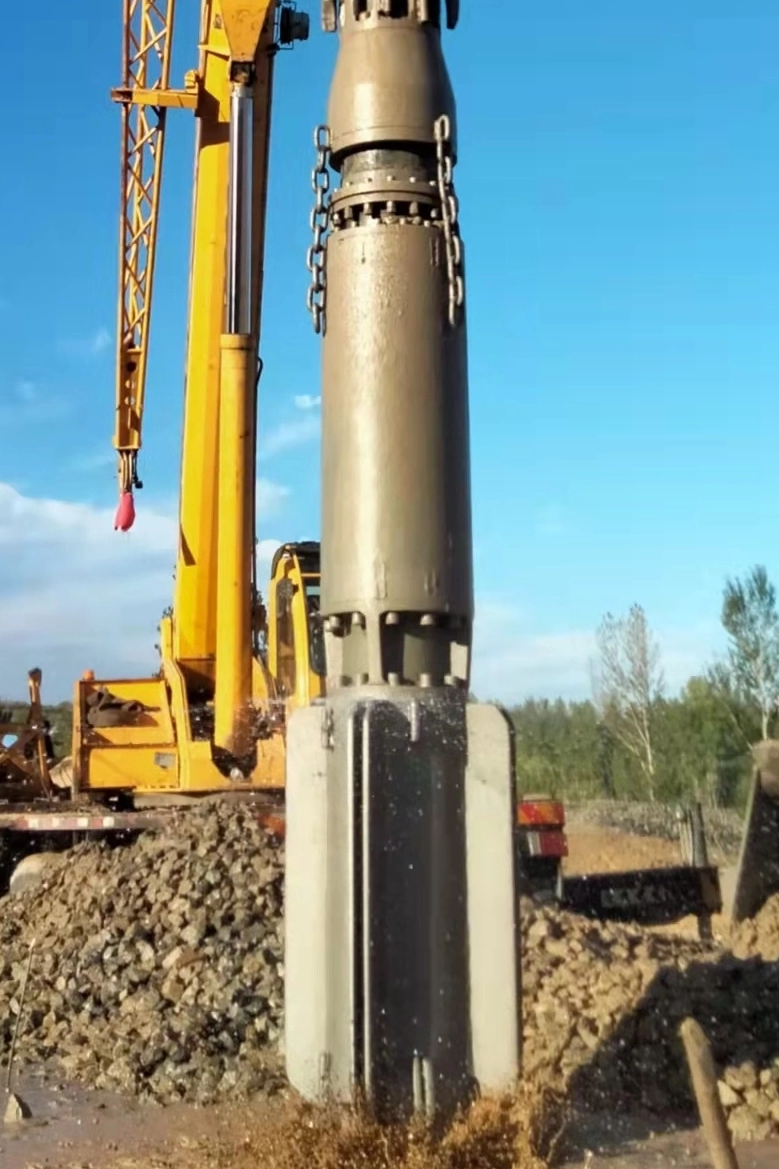
An idle vibro rig during continuous deep foundation projects creates a compounding financial impact that rapidly erodes project margins. When a rig stops, you still absorb the sunk costs of the crawler crane, the heavy-duty generator, the front-end loader, and a specialized crew standing by. Continuous vibro compaction and vibro replacement operations subject equipment to extreme mechanical stress. Abrasive soil conditions and high hydrostatic pressures constantly attack the machinery. Unplanned mechanical failure remains a high-probability risk without strict intervention and rigorous oversight.
Minimizing these unplanned stoppages requires a fundamental shift in site management. You must move away from reactive repairs. Instead, teams must adopt a framework of component-specific preventive maintenance. Real-time data tracking, strategic parts staging, and strict operational limits form the foundation of this approach. Implementing these strategies directly attacks the root causes of mechanical delays. You keep the rig running, maintain penetration rates, and protect the project schedule.
Component-Level Monitoring is Mandatory: The majority of catastrophic failures originate in the water jacket motor or vibroflot vibration body; baseline temperature and amperage tracking prevents terminal damage.
Data Drives Availability: Utilizing Overall Equipment Effectiveness (OEE) metrics and Pareto analysis isolates the root causes of recurring mechanical delays.
Strategic Inventory Outperforms Expedited Shipping: Maintaining on-site access to high-wear vibroflot spare parts (e.g., bearings, seals, hoses) drastically reduces mean time to repair (MTTR).
Isolation Integrity Dictates System Health: Routine inspection of the vibration damper is critical to preventing destructive energy transfer to the follower tubes and crane lines.
Vendor SLAs Matter: Evaluating the responsiveness, emergency protocols, and expertise of vibroflot technical support is a critical procurement metric for long-term project viability.
Defining the Success Criteria for Vibroflot Uptime
Defining acceptable operational availability in continuous vibro operations sets the baseline for site performance. A target of greater than 90% mechanical uptime represents a healthy operation. Falling below this threshold indicates systemic issues in maintenance or operator technique. You must establish clear parameters for what constitutes actual uptime. A machine idling above ground does not count toward productive availability. The rig must actively compact soil or install stone columns to meet success criteria. Site managers must track the exact minutes the equipment spends penetrating the ground versus sitting idle on the mats.
You must differentiate between a machine that is technically running and one operating at optimal amplitude and frequency. A vibroflot spinning at reduced RPM due to bearing drag or voltage drops is failing. It may still penetrate the ground, but penetration efficiency plummets. This false uptime extends the duration of each compaction point. It masks underlying mechanical degradation that will eventually cause a hard failure. Operators must verify that the equipment reaches target frequencies under load. If the frequency drops by more than 5% during penetration, the operator must extract the probe and notify the mechanics immediately.
Implementing Overall Equipment Effectiveness (OEE) tracking specific to the vibro rig exposes hidden inefficiencies. OEE measures availability, performance, and quality. You then utilize Pareto analysis to identify the 20% of failure modes responsible for 80% of vibroflot downtime. This data allows maintenance teams to prioritize high-impact interventions. If hydraulic hose ruptures cause the majority of stoppages, you upgrade hose specifications and routing. You stop guessing and start targeting the actual problems.
To establish a functional OEE tracking system on a deep foundation site, follow these specific steps:
Install data loggers on the generator to track exact power-on hours versus load hours.
Require operators to log every stoppage exceeding five minutes, categorizing the delay by component (e.g., electrical, hydraulic, mechanical).
Calculate the performance ratio by comparing actual compaction points completed per shift against the theoretical maximum based on soil reports.
Review the OEE data weekly with the lead mechanic to adjust preventive maintenance schedules based on actual wear patterns.
The cost of reactive maintenance far exceeds the price of failed components. Waiting for specialized technicians or heavy-freight replacement components causes cascading project delays. A single burned stator can halt production for days if a spare is not staged locally. The crane sits idle. The stone loader has nothing to do. The crew remains on the payroll. Proactive planning eliminates these massive financial drains. You replace components on your schedule, not when the machine forces your hand.
Common Mechanical Delays and Frequency
Failure Category
Specific Component Issue
Average Delay Duration
Frequency of Occurrence
Electrical
Generator voltage drop / Contactor failure
2 to 4 hours
High
Cooling System
Clogged water lines / Pump failure
4 to 8 hours
Medium
Mechanical
Bearing fatigue / Seal degradation
24 to 72 hours
Low
Structural
Follower tube weld cracking
8 to 12 hours
Medium
Critical Component Evaluation and Maintenance Protocols
Thermal Management of the Water Jacket Motor
The water jacket motor plays a mandatory role in dissipating heat generated by continuous electrical draw and internal friction. Deep foundation work demands high amperage for extended durations. This electrical load creates intense thermal buildup within the motor housing. The water jacket circulates cooling fluid around the stator to extract this heat. Without efficient thermal transfer, the internal temperature rapidly exceeds the insulation rating of the copper windings. When operating in ambient temperatures exceeding 90 degrees Fahrenheit, the cooling system carries an even heavier burden.
Failure modes in this system often stem from poor fluid quality or flow restrictions. Clogged water lines prevent adequate circulation. Sediment buildup from dirty site water coats the internal cooling jackets, acting as an insulator. Water pump failures instantly halt the cooling process. Any of these scenarios lead directly to stator burnout. Once the stator burns, the motor requires a complete rebuild or replacement, causing massive delays. Mechanics must treat the cooling system with the same priority as the main power supply.
Mitigation requires strict daily protocols. Crews must perform daily flow-rate checks at the discharge line. Pressure monitoring ensures the pump delivers adequate head pressure down to the operating depth. Water quality assessments are mandatory. You must use clean water or install heavy-duty filtration systems if drawing from site ponds. Flushing the cooling jacket with clean water at the end of the shift prevents sediment from settling and baking onto the internal walls. Mechanics should also inspect the intake screens twice a shift when working in muddy conditions.
Preserving the Vibroflot Vibration Body
The vibroflot vibration body houses the eccentric weights and bearing assemblies. These components endure constant centrifugal force during operation. The eccentric weights generate the horizontal amplitude required for soil compaction. The bearings support this massive rotational energy while confined in a highly restricted space. This environment represents one of the most severe mechanical applications in the construction industry. The sheer physical stress placed on the steel housing and internal rollers requires exact lubrication and alignment.
Failure modes here are highly destructive. Bearing fatigue occurs naturally over time but accelerates rapidly with poor lubrication. Seal degradation allows pressurized groundwater and abrasive silt to enter the housing. This oil contamination destroys bearings in a matter of hours. Furthermore, the external casing suffers abrasive wear from constant friction against quartz sands and gravels. If the casing wears too thin, structural failure of the entire body becomes imminent. A ruptured casing at depth often results in a total loss of the equipment.
Establish strict intervals for preventive action. Oil sampling dictates bearing health. Analyze the oil for bronze or steel particulates to predict bearing wear before catastrophic failure. Vibration signature analysis detects early imbalances or bearing cage degradation. Hard-facing wear checks must happen weekly. Welders must re-apply hard-facing alloys to the external casing to maintain the structural thickness of the vibration body. Never let the wear reach the base metal. Use tungsten carbide overlay on the nose cone and lower wear bands for maximum abrasion resistance.
Inspecting and Maintaining the Vibration Damper
The vibration damper isolates the crane, follower tubes, and suspension lines from the violent vibratory energy. Whether using elastomer blocks or heavy-duty spring assemblies, this component absorbs upward energy. It ensures the vibration directs outward into the soil, rather than traveling up the rig. Proper isolation protects the crane boom, wire ropes, and electrical cables from destructive resonance. Without a functioning damper, the crane will literally shake itself apart over a few weeks of continuous operation.
Degraded elastomers or fatigued springs cause systemic resonance. When the damper fails to isolate the energy, the follower tubes vibrate violently. This leads to cracked welds, sheared bolts, and structural fatigue in the rig. It also damages the electrical supply cables, causing internal shorts. A failed damper compromises the safety of the entire lifting operation and accelerates wear on every connected component. Operators will often feel the vibration in the crane cab when the damper begins to fail.
Define strict visual inspection criteria. Technicians must check for elastomer tearing, cracking, or permanent deformation daily. Deflection measurements indicate if the springs or rubber blocks have lost their elasticity. Establish scheduled replacement intervals based on operating hours, not visual failure. You must replace the damper assemblies before they fail completely. Preventive replacement costs a fraction of repairing a damaged crane boom or dropped follower string.
Leveraging Real-Time Data and Digital Maintenance Programs
Capturing real-time machine data transforms how you manage site equipment. Integrated sensors and telemetry track continuous amperage, operating frequency, and hydraulic pressure. This data allows you to predict failures before they manifest as unplanned stoppages. An upward trend in baseline amperage indicates increasing mechanical drag, likely from failing bearings. Drops in frequency suggest power supply issues or severe internal friction. Telemetry removes the guesswork from equipment diagnostics. The operator cabin should feature a digital display showing these metrics in real-time, with audible alarms set for amperage spikes.
Transitioning from paper logs to a Computerized Maintenance Management System (CMMS) modernizes vibroflot maintenance. Paper logs get lost, ignored, or falsified. A CMMS automates preventive maintenance scheduling based on actual operating hours. The system alerts mechanics when the vibration body reaches its 500-hour oil change interval. It tracks component lifespans across multiple projects. This digital approach ensures maintenance happens exactly when required, maximizing component life and minimizing unexpected breakdowns. Mechanics can access the CMMS via ruggedized tablets on the job site, logging repairs and ordering parts directly from the field.
Evaluating Vibroflot Spare Parts Inventory Strategies
Mapping specific spare parts to the downtime they prevent clarifies inventory value. Having a spare nose cone on the rig prevents a three-day halt due to abrasive wear. Storing extra water hoses prevents a minor leak from stopping a major concrete pour. You must view inventory as an insurance policy against lost production. Every part held on-site directly reduces the mean time to repair. Relying on overnight shipping for basic consumables is a guaranteed way to lose money on a deep foundation project.
A tiered inventory approach balances availability with capital expenditure. You organize parts based on replacement frequency and critical impact. This structure ensures mechanics have immediate access to consumables while keeping high-value assemblies within a reasonable distance. You must audit this inventory weekly to ensure consumed parts are reordered immediately.
Inventory Tier Structure and Impact
Inventory Tier
Location
Typical Components
Downtime Prevented
Tier 1
On-Site / Rig Level
Hoses, O-rings, electrical connectors, hydraulic fittings, specialized lubricants, nose cones.
Prevents 1 to 4 hours of delay. Fixes happen immediately during the shift.
Tier 2
Local Yard / Container
Replacement vibration dampers, spare water pumps, electrical contactors, heavy cables.
Prevents 1 to 2 days of delay. Fixes happen overnight or between shifts.
Tier 3
Manufacturer Dependent
Full replacement vibration body, complete motor assemblies, large structural followers.
Prevents weeks of delay. Requires heavy freight and specialized lifting.
Analyze the capital expenditure of holding inventory versus the daily liquidated damages of project delays. Purchasing a complete set of vibroflot spare parts requires upfront capital. However, the cost of a single day of idle rig time often exceeds the price of Tier 1 and Tier 2 inventory combined. Smart project managers mandate comprehensive spare parts packages before mobilization. You cannot afford to wait for international shipping when the crane is running and the crew is waiting. Store all rubber components in climate-controlled containers to prevent dry rot before use.
Assessing Vibroflot Technical Support and Service Agreements
Evaluate a manufacturer or distributor's support capabilities long before purchasing or renting equipment. The quality of support directly influences overall equipment value. A cheap machine with poor support costs far more over a project lifecycle than a premium machine with exceptional backing. You must investigate their parts availability, technician dispatch times, and engineering expertise. Ask for references regarding their response to emergency breakdowns. A vendor who cannot provide a clear escalation matrix for weekend emergencies is a liability to your project schedule.
Remote diagnostics represent a major advantage in modern deep foundation equipment. Integrated telemetry allows remote technical support to diagnose issues without a site visit. They monitor amp draw, frequency, and temperature from their headquarters. If the rig acts erratically, the manufacturer's engineers can log in, review the data logs, and pinpoint the fault. This capability turns a three-day wait for a field technician into a thirty-minute phone call. It allows your on-site mechanics to execute the repair under the remote guidance of the factory experts.
Pre-negotiated Service Level Agreements (SLAs) protect your project timeline. What you look for in these agreements determines your recovery speed during a crisis. Demand guaranteed response times for technical inquiries. Establish formalized emergency contact procedures for weekend or night-shift breakdowns. Include expedited parts delivery clauses to minimize stranded rig time. Robust vibroflot technical support acts as an extension of your own maintenance team. Ensure the SLA includes provisions for annual on-site training for your operators and mechanics.
Implementation Risks and Operational Mitigation
Operator-induced downtime poses a massive risk to equipment longevity. Operators often push the equipment beyond continuous duty cycle limits to meet aggressive production targets. Forcing penetration through hard strata causes massive amperage spikes. Dropping the vibroflot too quickly risks slack wire conditions, which can snap cables or damage the suspension head. Operators must understand that forcing the machine destroys components and ultimately ruins production rates. A skilled operator lets the weight and vibration do the work, rather than relying on the crane's hoist line to force the probe downward.
Comprehensive upskilling and cross-training serve as active preventive maintenance. Training must cover recognizing early warning signs of mechanical distress. Operators need to listen for changes in operating sound. They must watch for abnormal crane line tension and erratic amp gauge readings. Cross-training operators and on-site technicians ensures rapid, accurate field diagnostics. When the operator understands the mechanical limits, they protect the equipment naturally. Implement a mandatory simulator or shadow-training period for all new operators before they take control of the main rig.
Environmental variables dictate maintenance frequency. Standard manuals provide baseline schedules, but site-specific conditions necessitate adjustments. Saline groundwater aggressively corrodes electrical connections and exposed metal. Highly abrasive quartz sands destroy nose cones and external casings twice as fast as standard clays. You must adapt your maintenance intervals to the reality of the soil report. Ignoring environmental factors guarantees premature equipment failure. In marine environments, mechanics must apply dielectric grease to all electrical connections and utilize sacrificial anodes on the follower tubes.
Conclusion
Reducing mechanical stoppages requires a disciplined, relentless combination of component monitoring, data-driven preventive maintenance, strategic inventory management, and operator upskilling. You must treat the equipment as a complex system where every component relies on the integrity of the others. Ignoring a minor water leak today guarantees a major motor failure tomorrow. Project managers and procurement teams must weigh equipment choices carefully. The true value lies in the immediate availability of spare parts and the robustness of the vendor's technical support network. A well-supported machine keeps the project moving, while a poorly supported one destroys schedules and budgets.
Take immediate action to protect your operations:
Conduct a pre-project risk assessment to establish a site-specific preventive maintenance schedule based on soil conditions.
Implement continuous OEE tracking and telemetry monitoring to capture baseline amperage and temperature data.
Procure and stage Tier 1 and Tier 2 spare parts directly on the job site before the rig mobilizes.
Finalize a baseline Service Level Agreement with your equipment provider, ensuring guaranteed emergency response times.
FAQ
Q: What is the primary cause of vibroflot motor failure?
A: The primary cause is thermal overload due to compromised cooling. Clogged water jackets, failed water pumps, or insufficient water pressure prevent heat dissipation, leading directly to stator insulation breakdown and electrical shorts.
Q: How often should we check the vibration body oil?
A: Operators should visually check oil levels daily. Comprehensive oil sampling and analysis should occur every 200 to 250 operating hours to detect microscopic metal shavings, which indicate early bearing fatigue.
Q: What spare parts must we keep on the rig at all times?
A: Tier 1 parts are mandatory on-site. This includes replacement water hoses, hydraulic fittings, O-rings, electrical contactors, specialized bearing lubricants, and spare nose cones to handle immediate wear and tear.
Q: How does telemetry reduce maintenance delays?
A: Telemetry transmits real-time amperage, frequency, and temperature data. This allows remote engineers to diagnose internal faults instantly without traveling to the site, ensuring you order the correct parts immediately.
Q: When should we replace the vibration damper?
A: Replace the damper based on scheduled operating hours or immediately if visual inspections reveal elastomer tearing, deep cracking, or permanent spring deflection. Do not wait for complete failure.
Q: Can operator training really prevent mechanical failures?
A: Yes. Trained operators avoid forcing the equipment through impenetrable strata, which prevents massive amperage spikes and structural damage. They also recognize early warning signs, stopping the rig before minor issues become catastrophic.