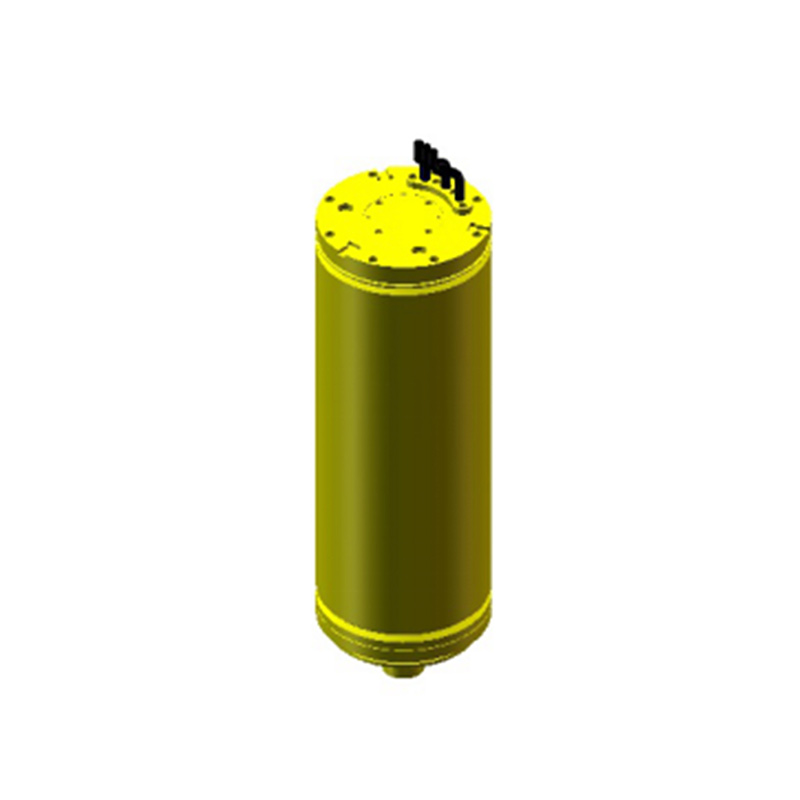
Deep soil compaction pushes heavy machinery to its absolute limits. Motors operate in sealed, subterranean environments surrounded entirely by dense, insulating soil and thick mud. Ambient airflow is nonexistent at these depths. Thermal overload remains the primary cause of equipment failure in vibro compaction operations. Excessive heat degrades stator insulation rapidly, causes premature bearing failure, and compromises mechanical seals. This leads to catastrophic project downtime and notoriously difficult equipment retrieval operations. Active liquid cooling is an absolute engineering necessity for these environments. High-power compaction requires sustained energy delivery without thermal interruption. This technical evaluation explores why a water cooled vibroflot motor is mandatory for modern ground improvement projects. We examine how liquid cooling impacts continuous power delivery and outline the strict criteria project engineers must use when evaluating equipment suppliers for heavy-duty applications.
Thermal Stability Dictates Uptime: Active water cooling is the only viable method to dissipate heat from sealed subterranean motors, preventing stator burnout during continuous operation and maintaining an ideal operational temperature window.
Enables High-Power Output at Peak Ratings: Without a water jacket, high-capacity equipment (like 130kW and 180kW units) cannot sustain the continuous amplitude and frequency required for dense soil compaction, nor can they operate safely near their peak rated capacity.
Maximizes Power Density: Liquid cooling allows for tighter internal mechanical clearances, enabling manufacturers to build significantly more powerful motors that still fit within the strict diameter constraints of a vibroflot casing.
Strict Maintenance Requirements: While water cooling extends motor life, it introduces specific maintenance variables, including coolant flow rate monitoring and high-pressure seal integrity.
Supplier Evaluation is Critical: Sourcing from a specialized supplier with robust technical support is necessary to mitigate the risks of subsurface coolant leaks and ensure proper system integration.
The Thermal Challenge in Vibro Compaction Operations
Defining the operational baseline is the first step in understanding equipment requirements. A successful vibroflot motor must run continuously for hours under maximum load. It cannot exceed its thermal class rating at any point during the compaction cycle. Ground improvement projects demand relentless operational pacing. Stopping equipment mid-penetration to allow for cooling disrupts the entire soil consolidation process and ruins production schedules. When you are driving a 400mm steel casing into dense sand, you need continuous vibration to keep the soil in a liquefied state. If the motor stops, the ground locks up around the probe.
The physics of subsurface heat generation create a hostile environment for electrical components. Converting electrical energy into mechanical vibration generates massive internal heat. The motor draws high current to spin heavy eccentric weights at 3000 RPM. This electrical resistance creates significant copper losses within the stator windings. Simultaneously, the massive cylindrical roller bearings supporting the eccentric shaft generate intense friction heat. All this thermal energy accumulates rapidly inside the thick steel casing. Without an escape route, the internal temperature spikes within minutes.
Traditional passive air cooling fails completely in these applications. Standard industrial motors rely on external fans and ambient air circulation to dissipate heat. Underground, these mechanisms are useless. The surrounding soil, bentonite slurry, or groundwater acts as a thick thermal insulator. Heat becomes permanently trapped inside the heavy steel casing. The temperature curve rises aggressively until components begin to melt or seize. You cannot rely on the surrounding ground to pull heat away from the probe fast enough to keep a high-kilowatt motor alive.
The physical damage caused by thermal degradation is severe. Overheating reduces the magnetic efficiency of the motor core. Bearing wear accelerates rapidly as high temperatures break down the lubrication grease, turning it into a useless liquid that leaks past the seals. Stator winding shorts become inevitable once the Class H insulation varnish melts. Extracting a seized motor from a collapsed borehole carries a massive financial burden. Project timelines suffer immediate delays while crews attempt to recover the damaged equipment, often requiring heavy cranes and extensive excavation just to pull the dead probe out of the ground.
Comparison of Cooling Methods in Subsurface Environments
Cooling Method
Heat Dissipation Mechanism
Effectiveness in Soil/Slurry
Risk of Thermal Shutdown
Passive Air Cooling
Surface radiation and ambient airflow
Zero (Soil acts as an insulator)
Extremely High
Oil Bath Cooling
Internal fluid convection
Low (Heat remains trapped in casing)
High
Active Water Cooling
Continuous fluid circulation and extraction
Maximum (Heat is physically removed)
Very Low
Engineering the Solution: How a Water Cooled Vibratory Motor for Vibroflot Works
Standard motor cooling relies entirely on external airflow. Deep vibratory equipment requires a fundamentally different internal architecture. Liquid cooling comprehensively extracts heat from internal components before it can cause damage. A water cooled vibratory motor for vibroflot utilizes a dedicated fluid circuit to manage extreme temperatures actively. This is not just a pipe running alongside the motor; it is a fully integrated thermal management system built directly into the structural housing of the equipment.
The mechanics of a vibroflot motor with water jacket are highly specialized. A precision-engineered cooling jacket integrates directly into the motor housing. This jacket surrounds the stator core entirely, creating an annular space for fluid to flow. High-pressure surface pumps push water down through heavy-duty extension tubes. The water enters the jacket and circulates rapidly around the stator. As the fluid moves, it absorbs immense thermal energy directly from the hot metal surfaces, pulling the heat away from the sensitive copper windings.
The path of the heated water depends on the specific equipment design. In wet top-feed systems, the heated water is often expelled directly at the tip of the vibroflot. This expelled water serves a dual purpose. It cools the motor and simultaneously acts as a jetting fluid to aid soil penetration by flushing away material at the nose cone. In dry bottom-feed systems, the heated water enters a return line. It travels back up the extension tubes to the surface. This continuous circulation maintains ideal operational temperatures constantly. It completely prevents thermal throttling and keeps the equipment running at full capacity.
To understand the exact flow path during operation, review this standard cooling cycle:
Surface centrifugal pumps draw filtered water from the site reservoir or holding tank.
High-pressure hoses transport the fluid down through the vibration isolator and extension tubes.
Coolant enters the annular space of the motor's double-walled water jacket.
Fluid circulates around the stator laminations, absorbing thermal energy directly from the housing.
Heated water expels through the nose cone jets to assist penetration or routes back to the surface via a dedicated return line.
Active temperature regulation prevents the thermal expansion of internal components. Heat causes metal to expand, which alters critical mechanical clearances between the rotor and stator. Thermal stability allows engineers to design motors with much tighter internal tolerances. Tighter clearances directly result in a highly power-dense motor. The equipment can generate massive centrifugal force while remaining compact enough for standard borehole insertion. Heat dissipates easily, protecting the delicate internal electronics and ensuring the bearings maintain their precise alignment.
Performance Advantages for High-Power Applications
Evaluating equipment requires mapping specific cooling features directly to on-site compaction performance. Reliable power delivery depends entirely on thermal management. When a motor runs hot, electrical resistance in the copper windings increases. This forces the surface generator to work harder to push the same amount of current, leading to voltage drops and inconsistent vibration frequencies. Active cooling stabilizes the entire electrical ecosystem, ensuring the generator and the motor work in perfect harmony.
Sustained output is critical for heavy-duty operations. A 130kw high power vibroflot motor generates significantly more heat than lower-tier 75kW or 100kW models. Pushing 130 kilowatts of electrical power through a confined space creates extreme thermal stress. Water cooling ensures the motor maintains a consistent RPM under heavy load. The eccentric force remains perfectly stable. The equipment operates consistently at or near its rated peak capacity. Operators never need to implement thermal shutdown periods. Power derating becomes entirely unnecessary, allowing the crew to finish the compaction grid on schedule.
Consistent amplitude and frequency delivery dictate the quality of the soil compaction. The relationship between thermal stability and electrical resistance is absolute. Keeping the motor cool prevents power fade during deep penetration. When the motor maintains its rated RPM, the compaction radius remains consistent. The soil column achieves uniform density from the bottom to the surface. This uniformity is strictly required to pass post-compaction geotechnical testing, such as Cone Penetration Testing (CPT) or Standard Penetration Testing (SPT).
Vibration frequency must match the natural frequency of the target soil to achieve liquefaction. If a motor overheats and loses RPM, the vibration frequency drops out of the optimal zone. This mismatch severely reduces compaction efficiency, meaning the operator has to spend twice as long at each depth interval to achieve the required density. Water cooling guarantees that the frequency remains locked at the target parameter. The ground improvement process remains predictable, efficient, and highly effective across the entire site.
Evaluating Heavy-Duty Systems: 180kW Top Feed Vibroflot Equipment
Top-tier heavy-duty compaction projects demand extreme scalability. Standard equipment often fails to reach the required density in challenging geological conditions. Project engineers must analyze the specific requirements of the site before selecting motor capacity. Upgrading to massive power outputs introduces new thermal dynamics that must be managed precisely by the site crew and the equipment design.
Identifying the right project parameters dictates when to specify a massive motor. Deep stone columns require immense centrifugal force to displace surrounding soil laterally. Highly resistant soil strata demand maximum amplitude to break internal friction. Large-scale land reclamation projects require rapid penetration rates to meet aggressive schedules. These extreme scenarios necessitate 180kw top feed vibroflot equipment. The sheer size of the eccentric weights in a 180kW system generates unparalleled compaction energy, but it also generates a massive amount of internal heat that must be evacuated instantly.
Cooling demands in top feed operations require precise hydraulic engineering. Top feed equipment often uses water simultaneously for jetting and cooling. The surface pumps must deliver massive volumes of water continuously. The system must ensure the motor receives adequate flow rates before the water exits the vibroflot tip. If the jetting nozzles are too large, water pressure drops inside the jacket. The cooling jacket may starve for fluid, leading to rapid overheating even though water is flowing out of the tip.
Engineers must calculate the exact flow rate required to extract heat from a 180kW stator. The hydraulic circuit must balance jetting pressure with cooling volume. Heavy-duty hoses must withstand extreme vibration without rupturing or kinking. The entire water delivery system must be over-engineered to guarantee uninterrupted flow during the most demanding compaction phases. If the water supply cuts out for even a few minutes while a 180kW motor is running at full load, the stator will burn out before the operator realizes what happened.
Implementation Risks, Trade-offs, and Mitigation Strategies
Operating water-cooled systems presents realistic field challenges. Acknowledging these risks builds trust and demonstrates actual on-site experience. Equipment operators must understand the vulnerabilities of liquid cooling to prevent catastrophic failures. Proactive management and strict maintenance routines are mandatory to keep the fleet operational.
Coolant quality and flow rate management require constant attention. Poor water quality poses a severe risk to the equipment. High mineral content causes scaling within the water jacket, reducing heat transfer efficiency. Sediment, sand, and debris lead to clogging in the narrow cooling channels. Mitigation requires implementing proper filtration systems at the surface pump intake. You cannot just drop a suction hose into a muddy trench and expect the motor to survive. Operators must monitor digital flow meters continuously. Adhering strictly to the manufacturer's minimum flow rate requirements ensures optimal heat dissipation.
Sealing integrity under extreme vibration is another critical vulnerability. High-frequency vibration constantly attempts to compromise O-rings and mechanical seals. The water jacket operates under high pressure. If a seal fails, water ingresses directly into the electrical housing. This destroys the motor instantly, causing a massive ground fault. Mitigation involves specifying double-sealed, vibration-resistant mechanical seals. Maintenance crews must conduct routine pressure tests on the cooling jacket before every shift to verify seal integrity before the probe goes underground.
Operational ROI and equipment longevity justify the complexity of water-cooled systems. Water-cooled motors require auxiliary pumping equipment, heavy-duty hosing, and strict water management protocols. However, the return is realized rapidly in the field. Zero thermal downtime keeps projects strictly on schedule. Consistent peak performance accelerates soil compaction rates, allowing rigs to move to the next grid point faster. Extended equipment longevity reduces replacement frequency drastically. The operational efficiency far outweighs the initial setup requirements and the daily maintenance checks.
Selecting a Reliable Vibroflot Motor Supplier
Evaluating vendors requires looking far beyond the initial equipment specifications. The construction quality of the motor dictates its survival in subterranean environments. Project managers must assess the engineering standards of the manufacturing facility. A reliable vibroflot motor supplier understands the brutal realities of deep foundation work and builds equipment designed to take a beating.
Manufacturing tolerances and material selection are paramount. The construction of the water jacket must utilize corrosion-resistant alloys. Standard steel will rust rapidly when exposed to continuous water flow, leading to internal flaking that clogs the cooling channels. Precision machining is necessary to support tighter internal clearances. The jacket must withstand high internal water pressure without deforming. The bearings must be sourced from top-tier industrial manufacturers to handle the extreme centrifugal loads generated by the eccentric weights.
Evaluating post-sale support is critical for project success. Equipment will eventually require maintenance, and parts will wear out. A premier vendor provides comprehensive vibroflot equipment technical support. Evaluate their availability of replacement seals, specialized bearings, and custom O-rings. Ensure they offer immediate troubleshooting guidance for flow-rate issues or electrical faults. Rapid deployment of spare parts is absolutely necessary to minimize project delays. A supplier without a robust inventory of spare parts is a massive liability on a tight construction schedule.
Conclusion
For high-power vibro compaction operations, water cooling is never an optional upgrade. It is a fundamental engineering requirement for operational viability. Motors rated at 130kW and above generate immense thermal energy. Without active liquid cooling, these motors will fail rapidly in sealed, subterranean environments. Water cooling ensures peak power delivery, consistent amplitude, and reliable project execution across the entire site.
Project managers must apply strict shortlisting logic when acquiring equipment. Match the motor kilowatt ratings directly to the geotechnical soil density reports. Verify that your surface pumping infrastructure can meet the specific flow-rate demands of the chosen water-cooled motor. Overlooking hydraulic capacity will render the cooling system ineffective and put your equipment at risk.
Take the following actions to optimize your compaction operations:
Audit your current equipment fleet to identify any recurring thermal shutdown patterns during deep penetration.
Consult geotechnical engineers to determine the precise amplitude and frequency requirements for upcoming soil strata.
Verify site water supply capabilities against the manufacturer's minimum flow-rate charts before deploying equipment.
Contact a specialized supplier to request detailed technical specifications and pressure test ratings for high-power cooling jackets.
FAQ
Q: Why can't high-power vibroflot motors use air cooling?
A: Underground environments completely lack ambient airflow. Dense soil, thick mud, and bentonite slurry act as heavy thermal insulators. This makes air cooling physically impossible for dissipating the extreme heat generated by high-kW motors. Heat becomes trapped inside the casing, leading to rapid thermal failure.
Q: How does a vibroflot motor with water jacket prevent overheating?
A: A dedicated cooling jacket allows the continuous circulation of water entirely around the stator housing. This fluid absorbs thermal energy directly from the internal components. It carries the heat away from the motor core, maintaining an ideal operational temperature constantly.
Q: How does water cooling affect the power output of the motor?
A: By preventing thermal expansion, water cooling allows engineers to design motors with much tighter internal clearances. This results in a highly power-dense motor capable of running consistently near its peak rating without experiencing power fade or requiring thermal shutdowns.
Q: What is the minimum water flow rate required for a 130kw high power vibroflot motor?
A: Flow rates vary significantly based on specific manufacturer thermal dissipation requirements and internal jacket designs. Operators must consult the equipment technical manual to ensure surface pumps deliver the exact gallons per minute required for safe operation.
Q: Does the cooling water mix with the soil in top feed vibroflot equipment?
A: In open-loop jetting systems, cooling water expels at the tip to aid soil penetration and mixes directly with the ground. In closed-loop bottom feed systems, the water returns to the surface via a return line without mixing with the soil.
Q: What happens if the water cooling system fails during compaction?
A: Internal temperatures escalate rapidly within minutes. This leads to the immediate melting of stator insulation, catastrophic bearing seizure, and permanent motor damage. Automated thermal shut-off sensors are critical to prevent this destruction if flow stops.
Q: How should I evaluate a vibroflot motor supplier for a major project?
A: Check their field track record specifically with high-power units. Inspect the material quality of their water jacket seals. Ensure they provide comprehensive vibroflot equipment technical support for rapid troubleshooting and immediate spare parts deployment.