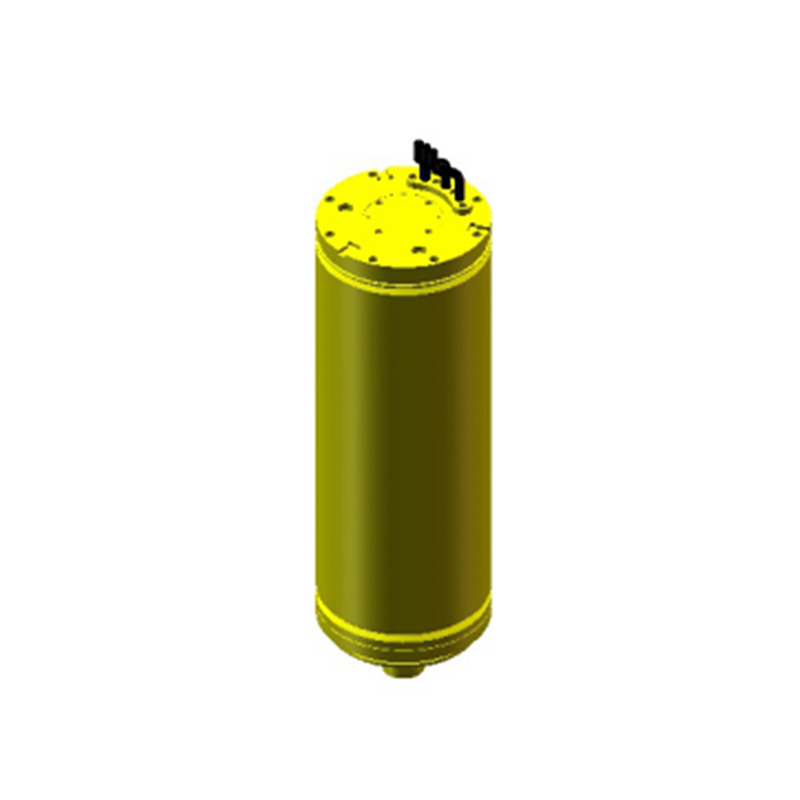
Unexpected equipment downtime during geotechnical ground improvement projects causes extreme financial impacts. Idle crews, waiting cranes, and delayed critical-path activities drain project budgets rapidly. Vibroflotation equipment operates under severe conditions. Constant high-frequency vibration, abrasive soil environments, and high-pressure water or air jetting accelerate component wear. Sudden failure is inevitable on difficult sites. However, overstocking parts ties up critical project capital and clutters the jobsite.
You need a risk-based inventory framework to manage this balance. This approach helps determine exactly which vibroflot replacement parts for jobsite storage are necessary. By categorizing components based on failure probability and operational impact, you can maintain continuous production while optimizing capital efficiency.
Tiered Inventory Strategy: Categorize parts into critical failure components (motors, vibration bodies) and high-wear consumables (nozzles, hoses) to optimize site inventory.
Condition-Dependent Stocking: Abrasive soils (dense sands, gravels) and specific techniques (like adding granular backfill for stone columns) require a higher volume of wear plates and jetting components compared to standard cohesive soils.
Supplier Lead Time Dependency: The proximity and reliability of your vibroflot spare parts supplier dictate whether you need to hold heavy, high-cost assemblies on site.
Storage Protocols: Stocking parts is only effective if they are protected from site conditions; improper storage of electrical components or bearings leads to premature failure before installation.
Configuration Efficiency: Utilizing interchangeable parts across single free-hanging and tandem setups drastically reduces the total volume of required backup inventory.
The Cost of Downtime vs. Inventory Holding Costs
Halted vibroflot operations drain project budgets rapidly. You must weigh the daily cost of an idle rig against the capital expenditure of holding unused inventory. Finding the mathematical trade-off keeps your project moving forward without wasting funds. A rig sitting idle while waiting for a simple replacement seal halts the entire foundation schedule. You must frame inventory as an insurance policy against critical path delays.
Calculate the criticality index for each component to build a smart inventory. Multiply the probability of failure by the operational impact of its absence. High-index items require immediate on-site availability. Low-index items can remain at a regional depot. This calculation prevents you from hoarding expensive, low-risk assemblies while neglecting cheap, high-risk consumables. Assume a standard crew consists of a crane operator, a rig operator, a loader operator, and two ground laborers. Add the daily rental rate of a 100-ton crawler crane, a large wheel loader, and the vibroflot system itself. This combined daily cost easily exceeds several thousand dollars. Dividing this by an 8-hour shift reveals the staggering hourly cost of downtime.
Shipping heavy specialized equipment to remote jobsites presents massive logistical challenges. Expedited freight is expensive and often delayed by customs or poor site access. Proactive procurement prevents minor part failures from causing major schedule overruns. You cannot rely on next-day delivery when operating in remote coastal or desert environments.
Consider the following steps to evaluate your site logistics:
Map the exact distance from the nearest major freight hub to your jobsite gate.
Identify local customs clearance timelines if operating across international borders.
Assess the availability of heavy-lift equipment needed to unload large assemblies upon arrival.
Determine the reliability of local courier services for small, urgent electrical components.
When a 100-ton crawler crane and a full ground improvement crew sit idle, the hourly burn rate escalates. Project managers often underestimate the cascading delays. A missed compaction target on day one pushes back the concrete foundation pour on day five. Holding a comprehensive stock of wear parts mitigates this risk. You balance the upfront purchase order against the guaranteed loss of production.
Tier 1: Critical Vibroflot Spare Parts for Immediate On-Site Replacement
Tier 1 parts are components that cause immediate, unworkable equipment failure. You cannot easily source these from local hardware or heavy machinery vendors. You must keep them securely on site to ensure continuous operation.
Vibroflot Motor Spare Part Components
Stocking specialized high-temperature bearings, motor seals, and O-rings is non-negotiable. These internal parts endure extreme thermal and mechanical stress during deep compaction. When a seal fails, water enters the motor casing, causing catastrophic electrical shorts. Having replacement seals ready allows your mechanics to perform preventative maintenance before water ingress destroys the unit.
Decide the threshold for keeping a complete backup vibroflot motor spare part assembly versus individual internal components. This depends entirely on your on-site repair capabilities. If your mechanics cannot rebuild a complex motor in a dusty site container, stock the full assembly. Swapping an entire motor takes hours, whereas rebuilding one takes days and requires a clean-room environment.
When the probe encounters a dense gravel layer, the soil resistance spikes. This forces the electric motor to draw higher amperage to maintain the rotational speed of the eccentric weight. This increased electrical load generates massive internal heat. If the cooling water flow is insufficient, the stator windings will overheat, degrading the insulation. Stocking replacement temperature sensors and monitoring relays prevents this thermal overload from destroying the motor.
Track these specific motor components in your inventory:
Upper and lower motor bearings designed for high radial loads.
Stator winding temperature sensors to monitor thermal limits.
Heavy-duty power cable glands that prevent moisture intrusion.
Internal cooling jacket seals that separate water from electrical windings.
Vibroflot Vibration Body Replacement Components
Generating high-frequency vibrations reduces interparticle friction in the soil. This physics principle creates immense kinetic stress on the probe's exterior and internal mechanics. The eccentric weight assemblies and internal couplings spin at high speeds, generating massive centrifugal forces. Continuous operation degrades these metal components rapidly, especially under heavy soil resistance.
You need specific replacement wear plates, nose cones, and heavy-duty coupling elements. These endure direct kinetic stress and abrasion during compaction. Keeping a full vibroflot vibration body replacement ready minimizes downtime during catastrophic internal failures. If the internal bearings shatter or the eccentric shaft snaps, field repair is impossible. You must swap the entire body to keep the crane moving.
The eccentric weight assembly relies on heavy-duty cylindrical roller bearings. These bearings absorb the massive radial loads generated by the spinning mass. Over time, the constant impact causes metal fatigue in the bearing races. You must listen to the sound of the probe during operation. A sudden change in pitch or a grinding noise indicates imminent bearing failure. Having a complete lower assembly ready allows you to swap the unit in a few hours, rather than spending days pressing new bearings onto the shaft in a dirty site environment.
The vibration body acts as the heart of the compaction process. Its exterior shell grinds against abrasive sands and gravels constantly. Hard-facing welding can extend the life of the shell, but eventually, the steel wears thin. You must measure the shell thickness weekly. Once it drops below the manufacturer's minimum tolerance, you must replace the wear plates or the entire lower section.
Vibroflot Lifting Head Spare Part Components
The lifting head isolates violent vibration from the crane or carrier rig. Without it, the carrier machine suffers severe structural damage, leading to cracked booms and shattered hydraulics. The lifting head absorbs the upward kinetic energy, allowing the probe to penetrate the soil without destroying the host machine.
Essential spares include rubber shock absorbers, suspension pins, and specialized hydraulic connectors. A damaged vibroflot lifting head spare part halts production instantly. Rubber isolators tear under heavy extraction loads. Always keep backup isolators ready in your site container to replace torn units immediately.
The lifting head utilizes heavy rubber elastomers to dampen the vibration traveling up the suspension cable. During the extraction phase, the crane pulls upward with forces exceeding 20 tons, while the probe continues to vibrate. This combination of high tensile load and shear vibration tears inferior rubber isolators apart. You must inspect these elastomers daily for surface cracks. Consider the extraction phase of the compaction cycle. The crane pulls the vibrating probe upward against the friction of the compacted soil. This places immense tensile stress on the lifting head pins and rubber elements. Inspecting these pins for micro-fractures prevents catastrophic drops.
Tier 2: High-Wear Consumables, Accessories, and Routine Maintenance Items
Tier 2 covers parts with predictable degradation curves. These require scheduled replacement during a project lifecycle. They also include essential performance accessories that keep the equipment functioning at peak efficiency.
Water and Air Jetting Systems
Required spares include replacement jetting nozzles, side water jetting accessories, high-pressure water hoses, and heavy-duty valves. The jetting system clears the path for the probe. If a nozzle clogs or a hose bursts, penetration stops. High-pressure hoses drag across abrasive ground, leading to inevitable punctures.
Water quality accelerates wear significantly. Using recycled or silty site water acts like liquid sandpaper. This destroys internal valve seals and nozzle orifices rapidly. If you pump dirty water, double your inventory of jetting nozzles and pump seals. Clean water extends component life, but site realities often force the use of abrasive fluids.
The bottom jetting nozzle experiences the highest abrasion. It sits at the very tip of the probe, blasting water at high pressure to liquefy the soil ahead of the penetrator. As the probe advances, the liquefied sand and gravel rush past the nozzle, eroding the steel orifice. A worn nozzle loses its focused jetting pressure, slowing down the penetration rate significantly. You must keep a large supply of these nozzles, especially when working in quartz-rich sands.
Maintain a dedicated stock of jetting components:
Bottom jetting nozzles for initial soil penetration.
Side jetting nozzles to assist in flushing material to the surface.
High-pressure hose couplings and safety whip checks.
Inline water filters to catch large debris before it enters the probe.
Essential Vibroflot Accessories and Extension Components
Extension tubes achieve deeper compaction depths. They suffer abrasive wear as they rub against the borehole walls. You require routine inspection and occasional replacement of these tubes. Bent or heavily worn extension tubes compromise the verticality of the compaction point.
Placing selected granular backfill for vibro-replacement stone columns demands specific tools. You must keep backup side-feed tubes and hopper components ready. The sharp stones sliding down the feed tube erode the steel quickly. Patching these tubes on site is a temporary fix; having replacement sections ensures structural integrity.
When operating a bottom-feed system, the material hopper and tremie pipe endure constant impact from the stone backfill. The discharge door at the tip of the probe requires frequent adjustment and replacement. If this door jams open, soil enters the tube and blocks the stone flow. Keeping spare hinges, pneumatic cylinders, and door flaps on site prevents this mechanical jam from ruining a stone column installation.
Electrical and Control System Spares
Vulnerable electrical components include power cables, sensor cables, contactors, and control panel relays. Constant vibration and jobsite moisture destroy electrical connections. Cables drag through mud and get pinched by heavy machinery. A severed power cable stops the entire operation.
Keep waterproof splicing kits and specialized connectors on hand. Quick field repairs to severed cables keep the rig moving. Stocking backup relays and contactors for the control cabin prevents a minor electrical fault from causing a major delay. Dust and humidity easily foul sensitive control electronics.
Your site electrician should maintain a dedicated toolkit containing:
Multimeters for diagnosing voltage drops across long cable runs.
Heat-shrink tubing and heavy-duty electrical tape.
Replacement amperage sensors for the control cabin display.
Spare fuses and circuit breakers rated for high-inductive loads.
Lubrication and Cooling Fluids
OEM-recommended high-temperature greases are necessary. Specialized cooling oils and filtration elements prevent thermal breakdown. Never substitute these with generic fluids. The internal temperatures of a working probe exceed the limits of standard industrial lubricants.
Stock enough fluid to handle complete system flushes. If a seal fails and contaminates the cooling oil with groundwater, you must flush the entire system. Lacking the correct oil on site forces you to wait for a delivery, leaving the rig useless.
Establish a strict lubrication schedule based on operating hours. Document every fluid change in the maintenance log. This documentation helps diagnose premature bearing failures and keeps your equipment running smoothly through long shifts.
Decision Framework: Customizing Your Jobsite Inventory
Project managers must scale their spare parts list based on specific project variables. A rigid checklist fails in dynamic environments. You must engineer your inventory to match the site conditions.
Assessing Project Duration, Technique, and Soil Conditions
Project length dictates inventory volume. A six-month vibro-replacement stone column project consumes vastly more parts than a two-week vibro-compaction job. Long projects require scheduled maintenance cycles, meaning you need multiple sets of Tier 2 consumables.
Soil abrasiveness and density directly impact wear rates. Introducing sharp granular backfill accelerates the degradation of the probe's exterior and nose cone. Adjust your stock levels accordingly. Pushing through dense gravel destroys nose cones faster than vibrating through loose, saturated sands.
Soil Type / Condition
Wear Rate Impact
Priority Spares to Stock
Recommended Stock Level
Cohesive Clays / Silts
Low to Moderate
Jetting nozzles, water hoses, basic seals
Standard baseline inventory
Loose Quartz Sands
Moderate
Wear plates, nose cones, isolators
1.5x baseline inventory
Dense Gravels / Cobbles
High
Heavy-duty nose cones, eccentric couplings, motors
Audit your vibroflot spare parts supplier for emergency dispatch capabilities and stock availability. Verify their track record before breaking ground. Ask about their weekend dispatch policies and average lead times for heavy assemblies.
Evaluate the trade-off between relying on a supplier's regional depot versus holding the stock directly in the site container. Remote sites demand heavier on-site inventories. If the site is three hours from the nearest highway, you cannot rely on just-in-time delivery. You must act as your own warehouse.
Build a relationship with your supplier's technical support team. When a complex failure occurs, having a direct line to an engineer speeds up the diagnostic process. They can identify exactly which sub-components you need, preventing you from ordering unnecessary parts.
Fleet Standardization and Interchangeability
Using interchangeable parts across single free-hanging probes and tandem setups increases inventory efficiency. You stock fewer unique items. If your extension tubes and lifting heads fit multiple rigs, you reduce the total capital tied up in spares.
Standardizing equipment models across a fleet minimizes the variety of unique parts required on site. This simplifies logistics and reduces confusion for the maintenance crew. When every rig uses the same motor seals and shock absorbers, inventory tracking becomes highly efficient.
Review your equipment roster before mobilizing. If you deploy three different models of vibroflots to the same site, you triple your required spare parts inventory. Consolidating the fleet to a single model line drastically reduces your logistical burden.
Implementation Risks and Mitigation Strategies
Common failures in site inventory management render spare parts useless when needed. Poor organization and environmental damage are primary culprits. A part is only valuable if it is ready to install.
Proper Storage and Preservation
Environmental controls are required for on-site storage containers. Use climate control for electronics and sensitive sensors. Apply rust prevention coatings to machined steel parts. A bare steel coupling left in a humid container will rust, making it impossible to install smoothly.
Rubber components like shock absorbers and seals require strict protocols. Store them in dark, cool places to prevent UV degradation and dry rot. Do not store rubber parts near electric generators, as ozone emissions degrade the material rapidly.
Organize your site container logically. Heavy metal components belong on reinforced bottom shelves. Delicate electronics and seals belong in sealed plastic bins on the top shelves. Label every bin clearly with the exact part number and description.
Tracking and Replenishment Protocols
Implement basic inventory tracking systems for jobsites. Ensure a consumed vibroflot spare parts inventory item triggers an immediate reorder. Do not wait until the backup fails. Use a simple barcode system or a dedicated whiteboard to track what leaves the container.
Establish chain-of-command rules. Define clearly who authorizes the use and reordering of high-value components to prevent inventory shrinkage. Only the lead mechanic or site superintendent should have the authority to pull a complete motor assembly from stock.
Conduct weekly inventory audits. Have a designated crew member count the critical spares every Friday afternoon. This ensures you enter the weekend with a clear understanding of your stock levels, allowing you to place orders first thing Monday morning.
Conclusion
Audit your upcoming project parameters, including soil abrasiveness and total compaction depth, to forecast wear rates accurately.
Calculate the financial impact of a 24-hour shutdown to justify your inventory budget to project stakeholders.
Establish a climate-controlled, highly organized storage container specifically for sensitive rig components and rubber isolators.
Submit a detailed vibroflot spare parts inquiry to a qualified manufacturer to build a customized site container checklist.
FAQ
Q: What are the most commonly replaced vibroflot components?
A: The most frequently replaced vibroflot spare parts include external wear plates, nose cones, rubber shock absorbers, and water jetting nozzles. These parts endure direct kinetic impact, abrasive soil friction, and high-pressure fluid flow. You must monitor them regularly and schedule replacements to maintain optimal compaction efficiency on the jobsite.
Q: How does the choice between vibro-compaction and vibro-replacement impact spare part needs?
A: Vibro-replacement involves adding sharp granular backfill to create stone columns. This highly abrasive material significantly increases wear on the probe exterior and nose cone. It also requires specific side-feed accessories, material hoppers, and discharge doors that standard vibro-compaction techniques do not utilize.
Q: How often should a vibroflot motor spare part be replaced?
A: Motor replacement intervals depend on operating hours, thermal degradation, and adherence to scheduled maintenance. Mechanics must change internal bearings and seals frequently. However, you typically replace the complete motor assembly only after a catastrophic failure or during a major off-site overhaul between large projects.
Q: Can I use aftermarket parts for a vibroflot vibration body replacement?
A: Using non-OEM aftermarket parts introduces severe engineering risks. Incorrect weight tolerances or inferior metallurgy alter vibration frequencies, reduce compaction efficiency, and cause premature catastrophic failure. Installing generic components also voids manufacturer warranties and compromises overall jobsite safety during heavy lifting operations.
Q: How do soil conditions affect the wear of vibroflot equipment?
A: Soil abrasiveness directly dictates the degradation rate of the equipment. Cohesive clays offer lower friction, extending component life. Highly abrasive quartz sands and dense gravels act like sandpaper against the vibrating probe, demanding a much higher inventory of external wear plates and heavy-duty nose cones.
Q: What information is needed to submit an accurate vibroflot spare parts inquiry?
A: To ensure accurate fulfillment, provide the equipment model number, serial number, current operating hours, and configuration type. Include specific component descriptions or exact part numbers. Providing this detailed data prevents costly shipping errors and ensures exact fitment when the parts arrive on site.
Q: How should rubber lifting head isolators be stored on site?
A: Rubber isolators must remain in a cool, dry, and dark environment. Exposure to direct sunlight causes UV degradation, while extreme heat accelerates dry rot. Keep them away from ozone-generating electrical equipment and petroleum-based chemicals to preserve their elasticity and structural integrity.