Vibroflot technology plays a vital role in reclamation projects, particularly in improving the ground stability and compaction of soils in areas where natural ground conditions may not be suitable for construction. This process uses a vibrating probe, known as the Vibroflot, to penetrate the soil and rearrange its particles, resulting in enhanced compaction and overall foundation stability. Reclamation projects often involve challenging environments such as soft or loose soil, where traditional methods of ground improvement may be ineffective. Choosing the right Vibroflot equipment is critical to ensuring the success of the project. The appropriate equipment will not only meet the specific soil conditions but also optimize project timelines and costs, minimize environmental impact, and guarantee long-term stability. Therefore, selecting a Vibroflot system that matches the project's unique demands is essential for achieving the desired results and ensuring efficient construction processes.
1.Understanding Vibroflot Technology
How Vibroflot Works: Using Vibration to Improve the Foundation
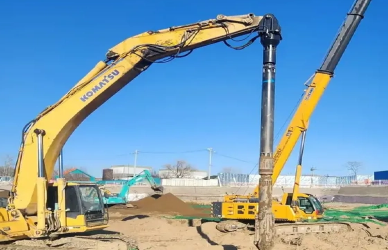
Vibroflot technology enhances ground stability by using a high-frequency vibrating probe to compact soil. The probe is driven into the ground, and as it vibrates, it rearranges soil particles, increasing density and improving the foundation’s load-bearing capacity. This method is particularly useful in soft or loose soil, where traditional compaction techniques are ineffective.
Suitable Soil Types for Vibroflot
Vibroflot is most effective in loose, sandy, and granular soils, commonly found in reclamation projects. These soils benefit from deep compaction, which improves their stability for construction. It is also suitable for silty soils, though results can vary based on factors like moisture content and soil composition.
Vibroflot in Reclamation Projects
In reclamation projects, Vibroflot stabilizes soft, compressible layers, improving ground stability for heavy construction. This technique reduces settlement and enhances the load-bearing capacity of newly reclaimed land, making it ideal for roads, bridges, and large infrastructure projects. For highly cohesive soils like clays, additional methods may be required for optimal results.
2.Key Considerations for Choosing Vibroflot for Reclamation Projects
Soil Conditions and Vibration Depth
Soil type plays a critical role in selecting the right Vibroflot. Softer soils, like loose sands, are easily compacted by Vibroflot, while denser soils may require deeper vibration penetration. For reclamation projects, understanding the depth of compaction required is essential. Shallow or loose layers may only need a shorter vibration depth, while more compact or deep layers will require a more powerful Vibroflot with extended reach.
Different Types of Vibroflot Equipment (Top Feed vs. Bottom Feed)
Vibroflots are available in two main configurations: Top Feed and Bottom Feed. Top Feed Vibroflots are suitable for softer, more granular soils where compaction needs to be done from the top. Bottom Feed Vibroflots, on the other hand, are better for compacting deeper, denser soils. Bottom Feed systems are commonly used in more challenging reclamation sites, where deeper soil compaction is required to stabilize the ground.
Power Sources for Vibroflot (Electric vs. Hydraulic)
Vibroflot equipment can be powered by either electric or hydraulic systems. Electric Vibroflots are more environmentally friendly and suitable for projects in urban or eco-sensitive areas where emissions must be minimized. Hydraulic Vibroflots provide higher power output and are better suited for larger, more demanding projects, where deep penetration and heavy compaction are necessary.
Project Scale and Construction Time Influence on Equipment Selection
The scale and timeline of a reclamation project significantly impact the type of Vibroflot equipment selected. Large-scale projects with tight deadlines may benefit from more powerful hydraulic systems that can handle extensive soil compaction quickly. Smaller or less time-sensitive projects may opt for electric models that are more cost-effective and easier to maintain. Additionally, the duration of the project might dictate whether renting or purchasing the equipment is the best option.
3.Vibroflot Equipment Features to Look for
Operability and Reliability of the Equipment
When choosing Vibroflot equipment, it's crucial to assess its operability and reliability. The equipment should be easy to operate, allowing operators to control the vibration frequency and depth efficiently. Reliability is equally important—equipment that fails or requires frequent repairs can lead to costly delays in the project. Look for Vibroflots that are built with durable, high-quality components that can perform continuously without compromising on performance.
Control Systems and Monitoring Functions
Modern Vibroflot equipment often includes advanced control systems and monitoring functions that ensure precision and consistency throughout the compaction process. Features like real-time vibration monitoring, depth tracking, and soil compaction data are essential for maintaining quality assurance. These systems help operators adjust settings for optimal performance, leading to more efficient and accurate ground improvement.
Material and Durability of the Vibration Body
The vibration body of the Vibroflot is subjected to significant wear and tear, making the material quality and durability essential factors to consider. Look for equipment made from high-strength materials, such as hardened steel or corrosion-resistant alloys, to ensure long-lasting performance. Durable materials prevent premature breakdowns and reduce the need for costly repairs, ensuring the Vibroflot can withstand tough working conditions on reclamation sites.
Maintenance Ease and Cost-effectiveness
Maintenance is a key factor in the long-term success of Vibroflot equipment. Choose Vibroflots designed for easy maintenance with readily accessible parts, simple lubrication systems, and easy-to-replace components. This reduces downtime and minimizes maintenance costs over the project's lifespan. Additionally, equipment that is cost-effective in terms of fuel or power consumption can help lower overall project costs, making it an essential consideration for large-scale or long-term reclamation projects.
4.Cost and Budget Considerations
Understanding the Total Cost of Ownership (TCO)
Total Cost of Ownership (TCO) includes all costs associated with Vibroflot equipment beyond the initial purchase price. This covers operational costs, maintenance, energy consumption, and disposal fees. Evaluating TCO provides a clear picture of the long-term financial commitment of the equipment.
Key factors influencing TCO include:
· Initial Purchase Price: The upfront cost of the equipment.
· Operational Costs: Fuel or electricity consumption, varying by power source.
· Maintenance: Regular inspections, repairs, and part replacements.
· Durability: Equipment with high-quality materials lasts longer, reducing long-term costs.
TCO helps compare the total investment in Vibroflot models, ensuring the best cost-effective choice for your project.
How to Balance Equipment Cost with Long-Term Operational Savings
Balancing upfront equipment costs with long-term savings is crucial. Cheaper equipment may result in higher operational expenses due to frequent maintenance and energy inefficiency. On the other hand, higher-quality equipment may have a higher initial cost but save on fuel, repairs, and downtime in the long run.
Consider these factors:
· Initial Investment vs. Efficiency: Electric Vibroflots, though pricier initially, use less energy, lowering operational costs.
· Durability: Durable equipment requires fewer repairs, offering savings over time and reducing project delays.
Selecting equipment with the right balance ensures both affordable upfront costs and long-term savings.
Importance of Efficient Equipment in Minimizing Project Delays and Ensuring Cost Efficiency
Efficient Vibroflot equipment reduces delays and enhances cost efficiency in reclamation projects. Here’s how:
· Minimizing Downtime: Reliable equipment requires fewer repairs, ensuring smooth project progress.
· Speeding Ground Improvement: Efficient equipment accelerates soil compaction, allowing the project to stay on schedule.
· Avoiding Overruns: Properly chosen equipment ensures fewer delays and extra costs, keeping the project within budget.
Investing in efficient Vibroflot equipment not only lowers operational costs but also keeps your reclamation project on time and within budget.
5.Vibroflot Equipment Selection Process
Steps to Determine the Right Vibroflot for Your Reclamation Project
To choose the right Vibroflot, follow these steps:
· Assess Soil Conditions: Identify soil type and depth for compaction to determine the appropriate Vibroflot model.
· Define Project Scale: Consider project size and complexity to decide the number and power of Vibroflots needed.
· Evaluate Power Requirements: Choose between electric or hydraulic models based on energy needs and environmental factors.
· Consider Compaction Depth: Select the model (Top Feed or Bottom Feed) based on the required compaction depth.
These steps help ensure the equipment fits your project’s specific needs.
How to Work with Suppliers like BVEM to Choose the Best Equipment
Collaborating with suppliers like BVEM ensures the right Vibroflot selection:
· Consultation: Discuss project requirements, soil conditions, and timelines with BVEM.
· Product Recommendations: BVEM will guide you in choosing the appropriate Vibroflot model for your needs.
· Site Evaluation: BVEM may offer a site visit to assess soil and recommend suitable equipment.
· Customization: Tailored solutions can be provided based on your project’s unique needs.
Working closely with BVEM helps ensure optimal equipment selection.
Key Factors to Discuss with Your Equipment Provider
Discuss these factors to ensure the best fit:
· Soil Characteristics: Provide details on soil type, compaction depth, and conditions.
· Power Source: Decide between electric or hydraulic models based on energy efficiency and power needs.
· Project Size: Choose equipment based on the scale and duration of the project.
· Maintenance: Inquire about maintenance schedules, part availability, and support.
· Budget: Discuss equipment, operation, and maintenance costs to find the most cost-effective option.
Addressing these factors ensures the Vibroflot is a perfect match for your project.
FAQ
What is the difference between Top Feed and Bottom Feed Vibroflot?
Top Feed is suitable for softer soils, while Bottom Feed reaches deeper, compacting denser layers for more challenging foundation conditions.
Can Vibroflot be used in all soil types for reclamation projects?
Vibroflot is effective for most soil types, but the equipment configuration must be adjusted based on the specific soil conditions of the project.
What power sources are available for Vibroflot equipment?
Vibroflot equipment is available in both electric and hydraulic versions. Electric models are more suitable for environmentally conscious areas, while hydraulic versions provide more power for demanding conditions.
How do I maintain Vibroflot equipment on a reclamation site?
Regular inspection, lubrication, and replacement of worn-out parts are essential to ensure long-term, reliable performance.
Conclusion
Choosing the right Vibroflot for your reclamation project is crucial for ensuring soil stabilization and overall project success. Key considerations include assessing soil conditions, defining project scale, and selecting the appropriate power source and compaction depth. It's important to balance equipment cost with long-term operational savings and ensure that the chosen Vibroflot meets both technical requirements and budget constraints. Collaborating with experienced suppliers like BVEM can help guide you in selecting the most suitable equipment, offering tailored solutions and expert consultation. For a customized Vibroflot recommendation and expert advice, contact BVEM today to ensure your reclamation project is equipped for success.


