Have you ever wondered how unstable soil becomes strong enough for heavy construction? A Vibroflot is a powerful tool used to compact weak ground and ensure stability. Behind its performance lies an electrical control system, the true brain that directs its operations. In this article, you will discover why these systems are essential for precision, safety, and efficiency.
How Electrical Control Systems Enable Vibroflot Precision
Electrical control systems play a central role in how a Vibroflot performs. These systems act as the command center, coordinating the vibratory motor, monitoring load, and adjusting output in real time. By doing so, they ensure that soil compaction is both accurate and efficient.
Coordinating the Vibratory Motor for Consistent Compaction
The vibratory motor is the heart of the Vibroflot. Electrical controls manage its speed and rhythm to deliver consistent force into the soil. Without precise coordination, the compaction process may leave uneven layers, leading to settlement problems later. Stable control also reduces unnecessary wear on the motor.
Regulating Power Supply and Frequency to Match Soil Conditions
Different soil types demand different vibration frequencies. Electrical systems regulate voltage and frequency so the Vibroflot adapts to sand, silt, or mixed layers. This adjustment improves soil density while preventing energy waste. For example, sandy soils may require higher frequencies, while silty soils respond better to lower ones.
Real-Time Monitoring of Torque, Amperage, and Vibration Levels
Operators rely on live data to keep performance within safe limits. Sensors track torque, amperage, and vibration strength. The control system processes these signals instantly and adjusts the output when loads shift. This reduces downtime, prevents overheating, and ensures continuous compaction quality across the project site.
Parameter Monitored | Benefit for Vibroflot Operations |
Torque | Prevents motor overload |
Amperage | Ensures energy efficiency |
Vibration levels | Maintains soil density uniformity |
Synchronizing With Auxiliary Systems (water, air, or material feed)
Many Vibroflot operations use water or air jets to aid soil penetration. Electrical systems synchronize these auxiliary functions with motor performance. Proper timing ensures smoother soil displacement and faster penetration. In projects involving gravel or sand backfill, synchronized feeding prevents gaps and improves long-term soil stability.
Note: When evaluating Vibroflot equipment, check if the control panel supports real-time monitoring and soil-specific frequency adjustment—these features directly affect compaction quality and project cost.
Advantages of Electrical Systems in Vibroflot Efficiency
Electrical systems give the Vibroflot more than just precision. They directly impact energy use, speed of compaction, equipment longevity, and project cost. By automating functions that once depended on manual control, these systems make soil improvement both faster and more economical.
Enhanced Energy Management and Reduced Power Loss
Electrical systems optimize power distribution throughout the Vibroflot. They minimize current surges, regulate load, and reduce unnecessary energy waste. This balance keeps operations stable and lowers the risk of electrical inefficiency. For large-scale projects, reduced power loss can translate into measurable cost savings.
Faster Soil Compaction Cycles Through Automated Controls
Automation allows the Vibroflot to complete cycles more quickly. Instead of operators adjusting settings manually, the system makes changes in real time. The result is uniform soil compaction at a higher pace. Faster cycles mean shorter project timelines and greater contractor productivity.
Minimizing Wear on the Vibratory Motor and Components
Continuous operation places stress on the vibratory motor and surrounding parts. Electrical controls reduce that stress by managing frequency and torque within safe limits. This controlled approach extends component life and reduces maintenance downtime. Less wear also means fewer unexpected failures on site.
Lower Operating Costs Compared to Manual Control
Manual control requires more labor and often leads to inefficiencies. Automated electrical systems cut labor dependency and improve energy use. This combination reduces overall operating costs. Over time, the investment in better controls pays back through savings in fuel, labor, and repairs.
Ensuring Reliability and Safety in Vibroflot Projects
Reliability and safety remain top priorities in Vibroflot projects. Electrical control systems protect equipment, workers, and the job site. They do this by monitoring load, regulating operation, and enforcing safety protocols. Without these systems, operators face higher risks of breakdowns, accidents, and costly delays.
Overload Protection for Vibratory Motors and Pumps
Electrical overloads can damage the vibratory motor or pumps within minutes. Modern control systems detect rising current or torque early. They then reduce load or stop the motor to prevent failure. This proactive protection extends service life and ensures smoother operations across multiple soil conditions.
Automatic Shutdowns to Prevent Equipment Failure
Unexpected soil resistance or mechanical faults can push equipment past safe limits. Automated shutdowns safeguard the Vibroflot by stopping activity instantly. This reduces the risk of severe mechanical failure and expensive downtime. It also allows operators to inspect issues before restarting, saving both time and repair costs.
Preventing Electrical Hazards in Harsh Construction Environments
Construction sites often expose systems to dust, water, and fluctuating weather. Electrical controls add insulation, circuit protection, and fault monitoring. These measures reduce risks like short circuits, fires, or shock incidents. For coastal or high-moisture projects, such safeguards are especially critical.
Supporting Compliance With Safety Standards
Most large-scale projects must comply with strict safety regulations. Electrical systems help meet these requirements by logging data, controlling exposure, and maintaining operational safety margins. Compliance not only reduces liability but also builds trust with clients and regulators.
Decision Factors for Choosing Electrical Control Systems
Selecting the right electrical control system determines how well a Vibroflot performs in the field. The choice affects power stability, adaptability to soil conditions, scalability, and long-term maintenance. A well-matched system ensures that projects run smoothly, safely, and within budget.
Matching Control Panel Specifications to Vibroflot Power Ratings
Each Vibroflot has specific motor ratings for power, torque, and frequency. The control panel must align with these values to avoid overload or underperformance. A mismatch can reduce efficiency and shorten equipment life. Engineers should compare motor requirements against control panel outputs before finalizing a system.
Integration With Soil Testing and Site Conditions
No two sites share the same soil profile. Some locations have loose sands, while others face mixed layers with higher resistance. Electrical systems that integrate soil testing data allow operators to fine-tune frequency and amplitude. This ensures the Vibroflot delivers consistent compaction without wasting energy.
Scalability for Different Project Sizes and Depths
Projects vary from small foundation work to deep land reclamation. Control systems should adapt to both ends of this spectrum. A scalable system lets teams handle shallow projects efficiently while also supporting deep compaction. This flexibility prevents the need for multiple control panels across different job sites.
Maintenance Accessibility and Troubleshooting Support
Downtime can cost thousands on large-scale projects. Easy access to wiring, circuit boards, and diagnostics speeds up repairs. Control systems with built-in error codes and modular components reduce service time. Better troubleshooting support ensures the Vibroflot stays operational, even under heavy daily use.
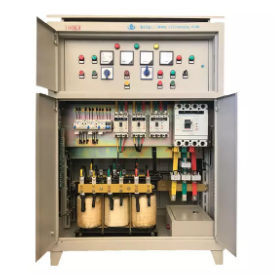
Electrical Control vs. Hydraulic Control in Vibroflot Operations
Control systems shape how a Vibroflot performs under real-world conditions. Both electrical and hydraulic setups are used in soil improvement projects, but they deliver different results. Understanding the trade-offs in precision, energy use, and reliability helps decision-makers choose the best option for their site.
Differences in Precision and Response Time
Electrical systems respond faster to operator input and soil feedback. They deliver fine adjustments to frequency and amplitude within seconds. Hydraulic controls, while robust, tend to react slower due to fluid dynamics. For projects requiring uniform density, electrical systems give operators tighter control.
Energy Efficiency and Cost Considerations
Electrical systems usually consume less energy, especially when paired with smart monitoring. They minimize wasted power and reduce fuel use on generators. Hydraulic systems, by contrast, can lose efficiency due to heat and fluid resistance. Over time, these differences affect project costs and total operating budgets.
Reliability Under Continuous Operation
Both systems handle tough environments, but their reliability differs. Electrical systems excel in steady, long-duration work because sensors and circuits track performance continuously. Hydraulic systems withstand heavy loads but need more frequent fluid checks and maintenance. For large reclamation or infrastructure projects, electrical reliability often proves more practical.
Choosing the Right Control System for Soil Improvement Needs
The choice depends on project scale, soil type, and cost targets. Electrical controls are ideal where precision, energy savings, and automation matter most. Hydraulic controls suit sites with extreme loads or where simple, rugged setups are preferred. Matching control type to soil conditions ensures a Vibroflot delivers consistent results without costly downtime.
Industry Applications Where Vibroflot Electrical Systems Matter Most
Electrical systems ensure that a Vibroflot delivers consistent results in complex projects. From infrastructure to coastal works, their reliability and precision help engineers achieve soil stability. These systems prove especially valuable when the environment demands strict control over compaction quality.
Large-Scale Infrastructure (bridges, ports, airports)
Infrastructure projects rely on strong foundations. A Vibroflot equipped with electrical controls provides uniform compaction under bridges, port terminals, and airport runways. This uniformity reduces long-term settlement and ensures load-bearing safety. Electrical systems also help manage multiple Vibroflots operating simultaneously across large sites.
Earthquake-Prone Zones Requiring Liquefaction Control
In seismic regions, soil liquefaction poses serious risks. Electrical systems let operators fine-tune vibration intensity to strengthen sandy layers and reduce liquefaction potential. By stabilizing ground before construction, a Vibroflot creates safer environments for buildings, pipelines, and transportation corridors.
Land Reclamation and Coastal Engineering Projects
Coastal projects involve soft or saturated soils that are difficult to stabilize. Electrical systems synchronize water jets and vibratory motors to penetrate these challenging layers. The Vibroflot then compacts reclaimed fill or dredged material effectively. This process supports the creation of ports, sea walls, and industrial zones on reclaimed land.
Energy and Mining Projects With Heavy Load Requirements
Energy plants, mines, and refineries demand soil that can support heavy static loads. A Vibroflot with advanced electrical controls delivers high-density compaction to withstand these stresses. It ensures stability for equipment foundations, storage tanks, and haul roads. In remote or demanding sites, reliability and safety make electrical systems the preferred option.
Challenges and Future Trends in Vibroflot Electrical Control
Electrical control systems help a Vibroflot work efficiently, but they also face challenges. Panels, sensors, and wiring must endure tough construction sites. At the same time, new technologies such as IoT and smart automation are reshaping how operators manage compaction projects.
Common Failures in Electrical Panels and Sensors
Electrical panels and sensors are vulnerable to heat, dust, and vibration. Loose wiring or moisture can cause sudden faults. When sensors fail, operators lose critical feedback on torque or current. This reduces accuracy and may force unscheduled downtime. Regular inspections and sealed enclosures extend service life.
Remote Monitoring and IoT Integration
Many projects now use IoT-enabled systems to track Vibroflot performance. Remote dashboards display data on energy use, vibration strength, and soil response. Teams can adjust settings without being physically near the machine. This reduces risks on hazardous sites and improves project coordination across multiple units.
Predictive Maintenance Using Data Analytics
Instead of waiting for breakdowns, predictive maintenance analyzes operating data to spot early warning signs. It can detect unusual vibration patterns, current spikes, or overheating trends. Applying analytics prevents costly repairs and extends equipment uptime. For contractors, this approach lowers lifecycle costs and improves scheduling reliability.
Smart Control Systems for Next-Generation Vibroflot Equipment
Next-generation Vibroflot systems integrate AI-driven controls. These smart systems automatically adjust frequency, torque, and auxiliary functions to match soil in real time. They also log performance data for compliance and client reporting. As smart technology advances, operators can expect safer, faster, and more consistent results.
Challenge / Trend | Impact on Vibroflot Operations |
Panel and sensor failures | Unplanned downtime, reduced accuracy |
IoT and remote monitoring | Better oversight, safer operations |
Predictive maintenance | Lower repair costs, higher uptime |
Smart control systems | Real-time optimization, improved QA |
Conclusion
Electrical control systems are central to Vibroflot performance, ensuring compaction accuracy and consistent soil stability. They improve precision, reliability, safety, and cost-effectiveness across demanding projects. The synergy between vibratory motors and advanced electrical systems makes ground improvement faster and more dependable. With digital transformation driving smart monitoring and predictive controls, companies like BVEM deliver solutions that help clients achieve safer, more efficient soil improvement.
FAQ
Q: Why are electrical control systems crucial in Vibroflot operations?
A: They ensure the Vibroflot works with precision, reliability, and safety in soil compaction.
Q: How do electrical systems improve Vibroflot efficiency?
A: They optimize power use, reduce wear on the vibratory motor, and shorten compaction cycles.
Q: What role does a control panel play in a Vibroflot?
A: It matches power ratings, integrates soil data, and supports troubleshooting for smooth operation.
Q: Are electrical systems more cost-effective than hydraulic ones in Vibroflot projects?
A: Yes, they save energy, reduce downtime, and lower long-term operating costs.


