In the world of soil compaction and ground improvement, Vibroflot Equipment stands out as an essential tool for treating loose and granular soils, especially in overwater applications. Overwater vibro compaction presents unique challenges, including environmental conditions, soil variability, and logistical constraints that require specialized equipment and methods. Vibroflot, known for its precision and efficiency, is the ideal solution for these challenges. This article explores how Vibroflot equipment addresses these overwater challenges, providing efficient, cost-effective, and reliable soil improvement solutions for coastal and offshore projects.
1.Challenges of Overwater Vibro Compaction
Environmental Factors
Operating Vibroflot Equipment in overwater environments comes with unique environmental challenges. Water currents, tidal fluctuations, and wave action can significantly impact the stability and performance of compaction efforts. These dynamic conditions make it difficult to maintain consistent operation, especially in open waters or areas with strong wave action. The Vibroflot must be anchored and stabilized to prevent movement during compaction, ensuring it reaches the desired depth without being influenced by these environmental factors.
Soil Conditions
Soil conditions in overwater areas vary greatly depending on the location. Seabed soils are often heterogeneous, consisting of layers of sand, silt, and sometimes organic materials, which can present significant challenges for compaction. The soil's moisture content, depth, and density are also key factors that affect how Vibroflot equipment performs. In waterlogged environments, it’s common to encounter loose, unconsolidated sands that require significant densification. Vibroflot must adapt to these conditions to effectively improve the soil's stability and prevent liquefaction or future settlement.
Logistical Issues
Accessing overwater sites, especially in remote or deep-water locations, presents logistical challenges. Vibroflot equipment is typically deployed from barges, boats, or floating platforms, which adds complexity to both transportation and operational execution. The setup must be robust and capable of being mobilized across fluctuating tides, which requires equipment that is durable and capable of withstanding harsh water conditions. The need for careful coordination between marine and onshore teams adds an extra layer of complexity to these projects.
Safety Concerns
Safety is a top priority when operating heavy machinery in overwater conditions. Vibroflot equipment must be safely anchored and stabilized on floating platforms or barges to prevent accidents. The operators must work in close coordination with marine personnel to ensure that safety protocols are followed during deployment, operation, and monitoring of the equipment. Strong environmental conditions, such as high winds or strong currents, must also be considered to ensure that the equipment remains safely operational.
2.How Vibroflot Equipment Overcomes Overwater Challenges
Specialized Equipment
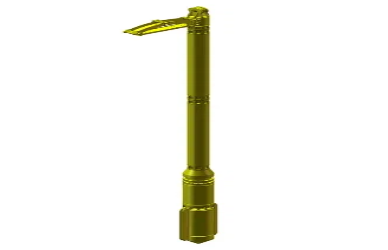
To address the challenges of overwater vibro compaction, Vibroflot Equipment is designed with specialized features that enhance its performance in marine environments. Vibroflot devices used in overwater applications are typically equipped with reinforced frames and anchors that ensure the equipment remains stable in the water. The Vibroflot unit is connected to a platform, such as a barge or floating rig, where it can be safely lowered and operated in the desired area.
Moreover, Vibroflot units are designed with corrosion-resistant materials, ensuring durability even in saltwater conditions. This is crucial for maintaining the longevity of the equipment, especially when exposed to harsh marine environments for extended periods.
Hydraulic and Electric Power Options
One of the main benefits of Vibroflot equipment is its flexibility in power sources. Hydraulic and electric power options make Vibroflot ideal for a variety of overwater applications. In areas where fuel or engine noise is a concern, electric-powered Vibroflot units offer a quieter, environmentally friendly solution. On the other hand, hydraulic-powered Vibroflot units provide more power and are ideal for larger-scale projects or areas requiring deeper soil compaction. The ability to choose between these power options allows Vibroflot to adapt to different environmental and project-specific requirements, ensuring optimal performance in challenging overwater environments.
Improved Stability Systems
To overcome environmental factors such as water currents and wave action, Vibroflot equipment is equipped with advanced stability systems. These include advanced stabilizers and anchors that help secure the equipment during operation. By using adjustable anchors or spud poles, Vibroflot can maintain a consistent position during compaction, even in strong currents or waves. The stability systems also ensure that the Vibroflot probe maintains proper alignment and depth, providing consistent and reliable compaction throughout the process.
Robust Design
Vibroflot equipment is built to withstand harsh environmental conditions. Durable and weather-resistant materials are used in the construction of the equipment to protect it from the corrosive effects of saltwater and adverse weather conditions. The machinery is designed to endure the wear and tear of constant operation in challenging environments, ensuring that it remains functional throughout the lifespan of the project. Additionally, the robust design reduces maintenance needs, making it a cost-effective choice for long-term projects.
3.Applications of Vibroflot in Overwater Projects
Coastal Reclamation
In coastal reclamation projects, Vibroflot equipment plays a crucial role in densifying loose, saturated soils, which are commonly found in reclaimed land near shorelines. By compacting sand and silt layers, Vibroflot significantly enhances the soil’s strength and reduces the risk of liquefaction, which can occur during seismic events or heavy vibration. This process ensures the stability of the foundation, making it more resistant to settlement and enhancing the long-term durability of the reclaimed land. Vibroflot is particularly effective in soft soils, which are often unstable and pose a significant risk to construction projects.
Port and Harbor Construction
For port and harbor construction, the ground beneath facilities must be able to support the heavy loads from ships, cranes, and cargo. Vibroflot equipment is widely used to improve soil stability in these areas by densifying the seabed, preventing settlement, and ensuring that the foundations remain stable over time. As port infrastructure is critical for economic activities, maintaining the structural integrity of these areas is vital. Vibroflot compacts the soil in a controlled manner, ensuring that it is capable of supporting large infrastructure and improving the overall performance of port structures, preventing future costly repairs.
Offshore Foundations
Offshore projects, including platforms and oil rigs, demand strong, reliable foundations to withstand the forces of the ocean. Vibroflot is used for offshore soil stabilization, treating the seabed to enhance the soil’s strength and prevent liquefaction, which could compromise the foundation. By improving the bearing capacity of the soil, Vibroflot ensures that offshore structures remain secure and stable even in the face of harsh marine conditions, high winds, and seismic activity. This process is particularly essential for maintaining the structural integrity of offshore platforms that are exposed to significant dynamic forces.
4.Advantages of Using Vibroflot in Overwater Projects
Efficiency in Soil Densification
Vibroflot provides efficient densification of loose soils in overwater locations. Its high-frequency vibrations compact loose sands and silts, increasing soil density and stability. This process helps prevent soil settlement and reduces the risk of liquefaction during seismic events, ensuring that the foundation remains stable over time.
Environmental Minimization
One of the significant advantages of using Vibroflot Equipment in overwater projects is its minimal environmental impact. Unlike traditional compaction methods that can cause substantial noise, vibration, and disturbance, Vibroflot operates with low environmental disruption. The equipment is quieter, produces less vibration, and has a minimal impact on surrounding marine ecosystems, making it ideal for sensitive coastal and marine environments.
Cost-Effectiveness
Despite its advanced features and ability to work in challenging environments, Vibroflot is a cost-effective solution for overwater soil improvement. The ability to compact large areas efficiently reduces labor and equipment costs, while the reduced need for maintenance and operational downtime lowers overall project expenses. Vibroflot’s ability to rapidly densify soil means that projects can be completed on time and within budget.
FAQ
1. What are the main challenges of overwater vibro compaction?
The primary challenges include environmental factors like water currents and tidal fluctuations, soil variability, logistical constraints, and ensuring safety during operation in overwater conditions.
2. How does Vibroflot equipment handle these challenges?
Vibroflot overcomes these challenges with advanced stabilizers, corrosion-resistant materials, and adaptable power options. The equipment’s flexibility allows it to perform effectively in different marine environments, maintaining stability and efficiency.
3. Is Vibroflot equipment suitable for large-scale overwater projects?
Yes, Vibroflot is ideal for large-scale projects like coastal reclamation, port construction, and offshore foundations. Its ability to efficiently densify large areas and reduce project timelines makes it an excellent choice for extensive overwater work.
4. How do engineers ensure that Vibroflot equipment operates safely in overwater environments?
Engineers ensure safety by using proper anchoring systems, monitoring environmental conditions, and adhering to strict safety protocols. Equipment is deployed on stable platforms like barges, and safety checks are conducted regularly to avoid accidents in marine settings.
Conclusion
Vibroflot Equipment is a valuable tool for solving the unique challenges of overwater vibro compaction. Its specialized design, stability systems, and flexibility make it ideal for projects in coastal reclamation, port construction, and offshore foundations. Vibroflot’s efficiency, environmental friendliness, and cost-effectiveness make it the preferred solution for improving soil stability in marine and overwater environments. Whether dealing with wave action, tidal changes, or varying seabed conditions, Vibroflot provides a reliable and sustainable solution for overwater soil densification.
For more information on Vibroflot Equipment and how it can solve the challenges of overwater vibro compaction, contact BVEM for expert consultation and customized ground improvement solutions.


