Which Vibroflot delivers better results? Ground improvement depends on smart equipment choices. Vibroflotation Equipment plays a vital role in stabilizing soil, yet hydraulic and electric models differ in cost, performance, and sustainability. In this article, you will explore their efficiency, reliability, environmental impact, and suitability for modern projects.
Hydraulic Vibroflots: Strengths and Limitations
Hydraulic Vibroflots remain a cornerstone in modern Vibroflotation Equipment. They are often chosen for projects that demand heavy-duty soil compaction and reliable performance under extreme conditions. While their strengths are clear, they also bring specific operational challenges.
High Power Density for Heavy Soils
One of the main advantages of hydraulic Vibroflots is their high power density. They can transfer large amounts of energy into the soil using hydraulic pressure, making them effective in dense sand and gravel. Contractors often prefer them when dealing with deep layers where electric units may struggle. For example, in port construction or bridge foundations, hydraulic systems deliver the force required to achieve uniform soil densification.
Durability and Longevity in Demanding Projects
Hydraulic Vibroflots are built to withstand rugged environments. They perform consistently even in extended shifts and under high-stress conditions. The robust construction of pumps and valves allows them to last longer than many electric counterparts. This durability translates to fewer breakdowns and reduced downtime. Projects in remote or offshore areas often rely on this resilience, as access to replacement parts can be limited.
Maintenance Needs and Hydraulic Fluid Management
Despite their strength, hydraulic Vibroflots require careful maintenance. Operators must monitor hydraulic fluid levels, filter conditions, and seals to prevent performance issues. Regular checks help avoid overheating and ensure efficient power transfer. Maintenance is more intensive than for electric Vibroflots, but when done correctly, it extends the equipment’s lifespan significantly. Companies often schedule proactive service intervals to minimize unexpected interruptions.
Environmental Risks from Leaks and Fluid Disposal
A key limitation is the environmental impact of hydraulic fluid. Leaks can contaminate soil and water, creating regulatory and reputational risks. Proper disposal of used fluids is also essential, as mishandling can result in fines or project delays. Many contractors now use biodegradable hydraulic oils to reduce environmental impact. Still, strict fluid management remains a crucial part of responsible operation.
Feature | Strengths | Limitations |
Power Density | High energy for dense soils | Higher fuel or energy use |
Durability | Long lifespan under heavy loads | Heavier equipment footprint |
Maintenance | Extendable life with routine service | Requires frequent monitoring |
Environmental Impact | Strong compaction results in fewer passes | Risk of leaks and waste fluid disposal |
Tip: Contractors working in urban or coastal areas should factor in fluid containment systems to manage leaks effectively.
Electric Vibroflots: Strengths and Limitations
Electric Vibroflots have become an important category of Vibroflotation Equipment. They are often selected for projects where efficiency, sustainability, and lower noise are top priorities. While they offer several benefits, their performance is shaped by unique technical and environmental factors.
Energy Efficiency and Clean Operation
Electric Vibroflots stand out for their high energy efficiency. They convert a larger share of input power into vibration compared to hydraulic units. This translates into lower energy costs over the project lifecycle. Their operation produces no fuel-related emissions, making them better suited for companies pursuing green construction standards. In regions where renewable electricity is available, their environmental footprint can be significantly reduced.
Noise Reduction and Safer Work Environments
Another major strength is reduced noise levels. Electric Vibroflots operate more quietly, which helps create safer and more comfortable working conditions. Noise-sensitive sites, such as residential areas or hospitals, benefit most from this feature. Lower noise also reduces community complaints and helps projects comply with strict municipal noise regulations.
Dependence on Power Supply and Battery Limits
Despite these strengths, electric Vibroflots come with certain limitations. They depend on stable electrical supply or large battery systems. This can be a challenge in remote areas or offshore sites where consistent grid power is not available. Battery-powered models also face limits in runtime and charging intervals. Long-duration operations may require backup generators or multiple units to maintain progress.
Suitability for Urban and Environmentally Sensitive Projects
Electric Vibroflots excel in projects where sustainability and compliance matter most. They are frequently used in city-center foundation work, near schools, or in protected ecosystems. Their clean operation and reduced emissions help meet environmental permits and support corporate sustainability reporting. When paired with modern monitoring systems, they provide contractors with precise control and lower ecological risk.
Vibroflotation Equipment Performance Comparison
Performance is the deciding factor when choosing between hydraulic and electric Vibroflots. Both types of Vibroflotation Equipment offer unique advantages, but they behave differently in real-world projects. The following comparison highlights the main performance dimensions that matter most to contractors.
Compaction Efficiency in Different Soil Types
Hydraulic Vibroflots deliver stronger vibrations that penetrate deeper into coarse soils like gravel and dense sand. This makes them ideal for heavy infrastructure or offshore projects. Electric Vibroflots, while slightly less forceful, excel in softer soils and confined sites where precision matters more than raw strength. In many urban projects, contractors prioritize precision and minimal soil disturbance, which aligns with electric models.
Energy Consumption: Hydraulic vs Electric Systems
Energy use is one of the clearest contrasts. Hydraulic systems typically consume more energy due to fluid losses, even though they provide consistent power. Electric Vibroflots convert energy more efficiently, lowering operating costs over time. In areas where electricity is affordable and reliable, electric options can reduce project expenses significantly.
Vibration Control and Precision in Ground Improvement
Electric Vibroflots offer better vibration control. Operators can adjust frequency and amplitude quickly, resulting in more accurate soil densification. Hydraulic Vibroflots are less flexible but provide brute force needed for deep or uneven ground. For projects demanding precise settlement control, electric units deliver an edge.
Reliability Under Continuous Operation
Hydraulic Vibroflots are valued for their robustness under heavy-duty use. They can run for long hours with minimal interruption when maintained properly. Electric Vibroflots may face overheating or battery-related downtime if not monitored closely. Continuous operation in remote areas often favors hydraulic designs due to their durability.
Maintenance Frequency and Lifecycle Costs
Hydraulic Vibroflots require frequent fluid checks, seal replacements, and preventive service. These steps extend lifespan but raise operating costs. Electric Vibroflots, in contrast, have fewer moving parts and simpler upkeep. However, replacing batteries or power systems can be expensive, which offsets some savings. Lifecycle cost varies depending on usage intensity and project environment.
Environmental Impact and Sustainability Factors
Electric Vibroflots lead in sustainability. They run without fuel emissions and help meet strict urban or eco-site regulations. Hydraulic Vibroflots, although powerful, carry risks from leaks and disposal of hydraulic fluids. Using biodegradable oils can reduce impact, but electric models remain the cleaner option overall.
Operator Experience and Ease of Use
Operator feedback often highlights smoother handling with electric Vibroflots. They start and stop quickly, generate less noise, and require less physical oversight. Hydraulic units demand more technical skill to manage pressure systems and monitor fluid levels. Training and workforce availability may influence equipment choice as much as performance itself.
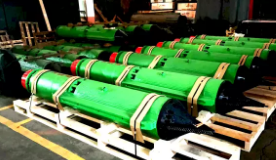
Cost Efficiency of Vibroflotation Equipment
Evaluating cost efficiency is crucial when deciding between hydraulic and electric Vibroflots. Both types of Vibroflotation Equipment demand significant investment, but their financial impact unfolds differently over time. Contractors must look beyond purchase price to include energy use, maintenance, and long-term return.
Initial Investment Differences
Hydraulic Vibroflots often have higher upfront costs due to complex pumps, hoses, and heavy-duty components. Electric Vibroflots, in contrast, usually require lower initial investment. However, if batteries or advanced control systems are included, electric models can become more expensive. The true difference depends on the size and type of project.
Operating Costs and Energy Bills
Hydraulic systems consume more fuel or electricity, leading to higher daily operating expenses. They also require ongoing hydraulic fluid replacement and disposal. Electric Vibroflots operate with greater efficiency, lowering energy bills over the equipment’s lifespan. For contractors working in regions with high fuel costs, electric models offer clear savings.
Long-Term Return on Investment (ROI)
Hydraulic Vibroflots provide strong ROI in projects that demand high power density and continuous operation. Their durability often justifies the higher initial price. Electric Vibroflots yield better ROI in urban and eco-sensitive projects by cutting energy use, lowering noise penalties, and reducing environmental compliance costs. Each choice delivers ROI under different conditions.
Balancing Cost Against Project Requirements
The most cost-efficient option depends on project scope and priorities. Large-scale offshore or deep-soil compaction often favors hydraulic Vibroflots. Shorter, urban projects with strict emission rules align better with electric models. Wise contractors weigh project needs against both short-term budgets and long-term savings.
Safety and Environmental Considerations
Contractors today must weigh safety and environmental impacts as heavily as performance. Both hydraulic and electric Vibroflots present risks and advantages, and the right choice of Vibroflotation Equipment can determine compliance, reputation, and long-term sustainability.
Noise, Emissions, and Urban Worksite Suitability
Electric Vibroflots generate lower noise, making them safer for workers and nearby residents. They also produce no direct emissions, which is vital in urban centers. Hydraulic Vibroflots are louder and emit more pollutants when paired with diesel-driven power packs. This can limit their use in residential or hospital zones.
Risk of Hydraulic Leaks vs Electric Overheating
Hydraulic systems carry the risk of leaks, which may contaminate soil or water. Even minor spills can trigger regulatory fines. Electric Vibroflots avoid fluid leaks but may overheat during long cycles. Overheating risks equipment downtime and can shorten battery life. Both types require preventive checks to mitigate these issues.
Regulatory Compliance in Different Regions
Different regions enforce varying safety and environmental standards. Europe, for example, enforces strict emission rules favoring electric Vibroflots. Some Asian markets still accept hydraulic systems due to lower upfront costs. Contractors must adapt equipment choice to regional laws to avoid penalties or project delays.
Eco-Friendly Practices in Vibroflotation Equipment
Sustainability practices can reduce risks for both systems. Contractors using hydraulic Vibroflots can switch to biodegradable oils and invest in fluid containment systems. Electric units benefit from pairing with renewable power supplies. Across both types, digital monitoring systems help track energy use and reduce waste.
Emerging Trends in Vibroflotation Technology
The future of Vibroflotation Equipment is being shaped by rapid innovation. From smart monitoring to hybrid systems, contractors now have tools that enhance performance, reduce risks, and improve sustainability. These advancements redefine how soil stabilization projects are planned and executed.
Integration of Smart Monitoring Systems
Digital tools are becoming standard in modern Vibroflots. Sensors track vibration frequency, soil resistance, and equipment temperature in real time. Data helps operators adjust settings instantly, preventing errors and extending equipment life. Remote diagnostics also cut downtime by identifying issues before failure.
Hybrid Hydraulic-Electric Solutions
Hybrid Vibroflots are designed to capture the strengths of both technologies. Hydraulic systems provide the raw force for dense soils, while electric modules deliver efficiency and control. By combining them, contractors achieve higher flexibility. These solutions also reduce reliance on diesel engines, aligning with global sustainability goals.
Material Advancements for Durability
New materials are extending Vibroflot durability. Manufacturers are using advanced alloys and corrosion-resistant coatings to handle harsh marine and offshore conditions. Lightweight composites also reduce stress on cranes and rigs. These improvements lower repair frequency and extend service life, offering long-term savings.
Future Outlook for Ground Improvement Projects
The demand for safe and eco-friendly construction is driving wider adoption of electric and hybrid Vibroflots. Urban projects increasingly specify low-emission solutions, while offshore works still value hydraulic robustness. The industry is moving toward customizable systems that adapt to project size, soil type, and environmental requirements.
Practical Guidance: Choosing Between Hydraulic and Electric Vibroflots
Contractors face tough choices when selecting Vibroflotation Equipment. The decision goes beyond comparing price tags. It involves soil conditions, environmental rules, and long-term performance goals. Clear guidance helps align investment with project success.
Key Factors for Contractors to Evaluate
Contractors should evaluate:
● Project size and duration
● Energy availability on site
● Noise and emission limits
● Maintenance capacity and workforce skills
Hydraulic units deliver brute strength, while electric models provide cleaner, quieter operation. The right choice often depends on balancing these trade-offs.
Project Type and Soil Condition Considerations
Hydraulic Vibroflots dominate in deep, coarse soils like gravel and dense sand. They are common in offshore works and heavy infrastructure. Electric Vibroflots fit softer soils and compact urban sites where disturbance must be minimized. Contractors should match soil profiles with equipment type to avoid performance losses.
Balancing Performance with Sustainability Goals
Electric models align well with projects that prioritize sustainability, especially those in city centers. They reduce emissions and noise, helping contractors meet ESG targets. Hydraulic models remain vital where raw compaction force outweighs eco concerns. A balanced approach ensures both performance and compliance.
When to Invest in Hybrid Vibroflotation Equipment
Hybrid Vibroflots are gaining traction as a middle path. They combine hydraulic power for dense soils with electric efficiency for lighter tasks. This flexibility makes them a long-term investment, particularly for contractors handling diverse project types. Though initial costs are higher, lifecycle savings and regulatory compliance benefits may justify the upgrade.
Conclusion
Hydraulic Vibroflots offer power for dense soils, while electric units provide efficiency and cleaner operation. The choice of Vibroflotation Equipment depends on soil type, budget, and environmental rules. As technology evolves, hybrid and smart systems bring balanced solutions. BVEM delivers advanced equipment designed for durability, precision, and sustainability, helping contractors achieve reliable ground improvement across diverse projects.
FAQ
Q: What is the main difference between hydraulic and electric Vibroflotation Equipment?
A: Hydraulic Vibroflotation Equipment delivers higher compaction force, while electric models provide cleaner, quieter, and more efficient operation.
Q: Which type of Vibroflotation Equipment is better for urban projects?
A: Electric Vibroflotation Equipment is preferred in urban or eco-sensitive areas due to low noise and zero direct emissions.
Q: How do operating costs compare between hydraulic and electric Vibroflotation Equipment?
A: Hydraulic units have higher fuel and fluid costs, while electric Vibroflotation Equipment reduces energy bills over time.
Q: When should contractors consider hybrid Vibroflotation Equipment?
A: Hybrid Vibroflotation Equipment is ideal for mixed soil projects, combining hydraulic power with electric efficiency.


