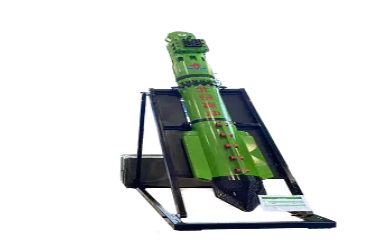
Vibroflot equipment plays a crucial role in vibro-compaction construction, a technique used to improve the density and stability of soil for foundation work. By using high-frequency vibrations, Vibroflot equipment compacts loose soil, reducing settlement and increasing its bearing capacity, which is vital for infrastructure projects such as roads, ports, and buildings. Real-time monitoring is essential in ensuring the quality and efficiency of this process. By tracking key parameters like vibration amplitude, depth, and compaction levels, real-time monitoring systems provide immediate feedback, enabling operators to adjust the equipment and process as needed. This not only ensures the soil is properly compacted but also helps prevent costly errors, delays, and rework, ultimately enhancing the overall project performance.
1.Real-Time Monitoring Technologies in Vibro-Compaction
Overview of Monitoring Systems: Sensors, GPS, and Real-Time Data Logging
In modern vibro-compaction construction, advanced monitoring systems are integrated into Vibroflot equipment to ensure precise and efficient soil compaction. These systems primarily include sensors, GPS technology, and real-time data logging:
· Sensors: These monitor various parameters, such as vibration amplitude, frequency, and the force applied to the soil during compaction. Sensors also measure the depth at which the Vibroflot is operating, ensuring consistent compaction at the required levels.
· GPS Technology: GPS is used to track the exact location of the Vibroflot equipment in real-time. It helps ensure that the Vibroflot is positioned accurately within the designated area and provides continuous updates on its operational status.
· Real-Time Data Logging: Data from the sensors and GPS system are logged in real-time and sent to a central monitoring platform. This allows operators and project managers to track progress and make timely adjustments if needed.
Integration with Vibroflot Equipment: How Technology is Incorporated
Vibroflot machines are designed to incorporate these monitoring technologies seamlessly. The sensors are typically embedded within the Vibroflot's vibratory motor or vibration body, enabling them to directly measure the forces at work during soil compaction. GPS systems are installed on the equipment, continuously updating its position throughout the compaction process. Real-time data logging systems are often connected to the Vibroflot's control panel, allowing operators to access live data on parameters such as compaction depth and vibration performance, all while operating the machine.
This integration allows for automated data collection and provides the operator with critical insights into the compaction process. By receiving real-time feedback on these parameters, adjustments can be made instantaneously, improving the overall quality of the work.
Data Capture: Depth, Vibration Force, Time, and Compaction Progress
Key data points captured during real-time monitoring include:
· Depth: The depth at which the Vibroflot is operating is continuously monitored to ensure compaction is occurring at the correct level. This data is crucial for determining soil stability and compaction uniformity.
· Vibration Force: The force applied by the Vibroflot during compaction is measured to ensure that the correct amount of energy is being delivered to the soil. Excessive or insufficient vibration can lead to suboptimal compaction, which can affect the overall quality of the project.
· Time: The duration of the compaction process at each specific location is tracked. This helps to ensure that the soil is compacted long enough to achieve the desired level of density.
· Compaction Progress: Real-time monitoring systems provide updates on the progress of soil compaction, showing whether the target compaction level has been achieved at any given point. This allows operators to ensure that the soil is uniformly compacted throughout the project site.
2.Key Parameters Monitored in Real-Time
Vibration Amplitude and Frequency: Ensuring Consistent Performance
Vibration amplitude and frequency are critical parameters for ensuring effective soil compaction. Amplitude refers to the strength of the vibration, while frequency is the number of vibrations per unit of time. These two factors determine the energy delivered to the soil. Real-time monitoring systems continuously track both amplitude and frequency to ensure that the Vibroflot is delivering the correct amount of vibration needed for the specific soil type and compaction requirements. Any deviations from the desired settings can be immediately adjusted to ensure consistent performance and optimal soil densification.
Soil Compaction Levels: Monitoring Depth and Density
Soil compaction is a crucial part of the vibro-compaction process, and real-time monitoring provides continuous updates on both depth and density. The depth at which the Vibroflot is operating is constantly measured to ensure that compaction is happening at the required levels. Additionally, monitoring density allows operators to ensure the soil is compacted to the desired strength and stability. These parameters help guarantee that the compaction process meets project specifications and prevents over- or under-compaction, which can lead to soil instability and potential project delays.
Real-Time GPS Tracking: Tracking Vibroflot Location and Operational Status
Real-time GPS tracking provides precise, continuous updates on the location of the Vibroflot equipment. By tracking the equipment’s movements, GPS ensures that the Vibroflot stays within the designated compaction area and follows the planned compaction pattern. This helps to avoid overlaps or gaps in compaction coverage. Furthermore, real-time GPS tracking monitors the operational status of the Vibroflot, such as whether it’s in motion or performing compaction, and ensures that it is operating in the correct area. This integration of GPS data helps improve efficiency and allows for immediate corrective actions if needed.
3.Benefits of Real-Time Monitoring
Improved Accuracy: Precise Control Over Compaction Process
Real-time monitoring enhances the accuracy of the vibro-compaction process by providing continuous feedback on key parameters such as vibration force, compaction depth, and soil density. This precise control allows operators to adjust the equipment settings on-the-fly to ensure optimal compaction at each stage. As a result, the soil is compacted to the desired specifications, reducing the risk of under-compaction or over-compaction, both of which can compromise the stability of the foundation and the overall success of the project.
Immediate Issue Detection: Quick Identification and Rectification of Problems
Real-time monitoring systems are designed to quickly identify issues as they arise. Whether it’s a malfunction in the Vibroflot, irregular vibration patterns, or incorrect compaction depth, real-time data enables immediate detection. This allows operators to address problems right away, minimizing downtime and preventing issues from escalating. By rectifying problems on the spot, real-time monitoring helps maintain the integrity of the project and ensures that construction continues smoothly without costly delays.
Enhanced Project Efficiency: Reducing Delays and Ensuring Continuous Workflow
Real-time monitoring contributes to project efficiency by ensuring that the compaction process is continuously optimized. By tracking progress in real time, project managers can make informed decisions, reallocate resources as necessary, and adjust equipment settings for maximum performance. This reduces unnecessary delays caused by equipment malfunctions, inaccurate compaction, or miscommunication. As a result, the project maintains a steady workflow, ultimately leading to faster completion times and improved cost-effectiveness, ensuring that the project stays on schedule and within budget.
4.Challenges in Real-Time Monitoring
Data Management: Handling Large Data Volumes and Interpreting Results
One of the main challenges in real-time monitoring is the management of large data volumes generated by the sensors and GPS systems integrated into Vibroflot equipment. These systems continuously capture detailed data on vibration amplitude, compaction depth, soil density, and equipment status, creating a significant amount of information. Proper storage, processing, and analysis of this data are critical to ensure that it can be interpreted effectively. Additionally, real-time data must be processed quickly to provide timely feedback to operators, which can strain data systems if not managed properly. The complexity of interpreting this data and making real-time decisions based on it also requires advanced software and skilled personnel to ensure accurate insights are derived from the data.
Equipment Calibration: Ensuring Sensors and Systems Are Correctly Calibrated for Accurate Readings
For real-time monitoring to be effective, equipment calibration is essential. Sensors and monitoring systems must be properly calibrated to ensure they provide accurate readings of vibration, compaction depth, and other critical parameters. Inaccurate calibration can lead to faulty data, which may result in improper compaction, project delays, or even structural issues down the line. Regular calibration checks are necessary, especially in harsh working environments where equipment may be subjected to wear and tear. Maintaining calibration ensures that the real-time data reflects the true performance of the Vibroflot, enabling operators to make precise adjustments and maintain control over the compaction process.
FAQ
1. What real-time data can be monitored during Vibro-compaction?
Real-time data includes vibration force, depth, frequency, and soil compaction levels.
2. How does GPS technology contribute to real-time monitoring in vibro-compaction?
GPS tracks the Vibroflot's location, ensuring accurate placement and operation throughout the process.
3. What are the main benefits of real-time monitoring in vibro-compaction?
It provides accurate control, quick issue detection, and improved project efficiency by ensuring soil compaction meets requirements.
4. What challenges exist in real-time monitoring of Vibroflot equipment?
Challenges include data management and ensuring proper equipment calibration for accurate readings.
Conclusion
Real-time monitoring of Vibro-compaction construction, powered by advanced systems integrated into BVEM’s Vibroflot equipment, is essential for ensuring high-quality control throughout the project. By continuously tracking key parameters such as vibration amplitude, compaction depth, and soil density, these systems enable operators to make immediate adjustments, ensuring that the compaction process meets the required standards. This not only improves the accuracy of the work but also helps in quickly identifying and addressing any issues that arise, minimizing downtime and preventing costly delays. Ultimately, real-time monitoring enhances project efficiency, ensuring that construction progresses smoothly, on schedule, and within budget, while maintaining the integrity of the soil foundation. BVEM's commitment to providing cutting-edge technology supports the success of your reclamation projects, from start to finish.


